Quality Building Materials for Durable Homes

smallbackyard_admin
- June 7, 2025
- 6 Min Read
Introduction
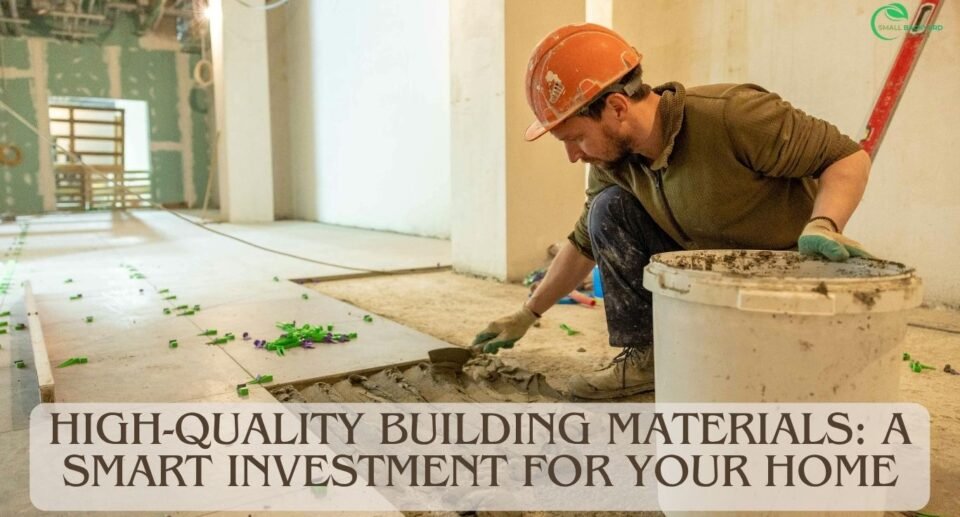
Building a home is often a once-in-a-lifetime investment—a deeply personal and financially significant milestone that reflects your dreams, lifestyle, and future aspirations. Every decision made during the home construction process, from the design layout to the selection of materials, plays a pivotal role in shaping not just how your home looks, but how well it performs over time. Among these decisions, the choice of building materials is one of the most critical yet frequently overlooked aspects.
It may be tempting to cut costs by opting for cheaper, lower-grade materials, especially when working within a tight budget. However, such compromises can lead to costly consequences in the long run. Quality building materials directly influence the safety, strength, energy efficiency, and durability of your home. They reduce the risk of structural failures, enhance protection against environmental stress, and minimize maintenance and repair expenses over the years. Additionally, homes constructed with premium materials often boast higher resale values and better aesthetic appeal.
In this blog, we’ll explore why choosing quality building materials is a smart and sustainable investment. You’ll learn what characteristics define a high-grade material, how to evaluate different options for each part of your home, and how to make cost-effective yet informed decisions that support both your short-term construction goals and long-term property value. Whether you’re a first-time builder or upgrading your existing space, this guide will equip you with the knowledge you need to build a home that stands strong for generations.
What Are Quality Building Materials?
Quality building materials are those that meet or exceed industry standards for strength, longevity, environmental impact, and performance. These materials undergo rigorous testing and certification and are often manufactured by reputable companies that comply with construction codes and sustainability practices.
Examples include:
- Engineered wood instead of standard plywood
- Insulated concrete forms (ICFs) for energy efficiency
- Galvanized steel for framing or roofing
- Triple-glazed windows for thermal insulation
- Fiber cement siding over traditional wood
Why Do Quality Materials Matter?
1. Structural Integrity and Safety
Your home must withstand weather conditions, daily wear and tear, and the test of time. Using subpar materials can lead to cracks, mold, and even structural failure.
2. Long-Term Cost Savings
High-quality materials often cost more upfront but save you money over time by reducing the need for repairs, replacements, and maintenance.
3. Energy Efficiency
Materials like spray foam insulation, Low-E windows, and insulated concrete contribute to lower heating and cooling costs.
4. Better Resale Value
Homes built with premium materials often command a higher market price and attract buyers who recognize quality.
5. Environmental Impact
Sustainable materials like bamboo, recycled metal, or reclaimed wood reduce the environmental footprint of your construction project.
Common Quality Materials by Construction Area
Area | Material | Benefit |
Foundation | Reinforced Concrete | Withstands ground movement |
Walls | Brick, Fiber Cement | Durable, weather-resistant |
Roofing | Metal, Clay Tiles | Long lifespan, fire-resistant |
Flooring | Engineered Wood | Resistant to warping and humidity |
Insulation | Spray Foam | Energy-efficient, air-sealing |
Windows | Triple-Glazed Glass | Thermal insulation, soundproofing |
Red Flags: Low-Quality Material Risks
- Cracks in walls and ceilings within a few months
- High utility bills due to poor insulation
- Mold or mildew due to water seepage
- Fading, warping, or rotting over time
- Frequent repair costs
Avoid materials without proper certifications, warranties, or manufacturer backing.
How to Identify High-Quality Building Materials
- Certifications: Look for Energy Star, LEED, ISO, or BIS ratings.
- Manufacturer Reputation: Choose brands known for consistency and compliance.
- Warranties: Long warranties often indicate confidence in product durability.
- Reviews and Case Studies: Customer and builder reviews provide real-world insights.
- Contractor Recommendations: A reliable contractor will only work with trusted materials.
Builder-Homeowner Communication
Always discuss material preferences with your builder early. Request samples, data sheets, and cost-benefit comparisons. Transparency ensures better collaboration and a higher-quality outcome.
Frequently Asked Questions (FAQs)
Q1: Are quality building materials always more expensive?
A1: Not always. Many high-quality options are competitively priced and offer long-term savings.
Q2: Can I mix premium and budget materials?
A2: Yes, but choose wisely. Prioritize quality in structural areas like foundations and roofing.
Q3: Do better materials help with energy efficiency?
A3: Absolutely. Insulation, windows, and roofing materials can drastically cut utility costs.
Q4: What are the best eco-friendly building materials?
A4: Recycled metal, bamboo, reclaimed wood, and insulated panels are great options.
Q5: Is local sourcing important?
A5: Yes. Locally sourced materials reduce shipping costs and are usually more adapted to the local climate.
Expert Tips
1. Consult an Architect or Building Consultant
Before starting construction, it’s essential to speak with a qualified architect or building consultant. These professionals bring valuable insights into site analysis, zoning regulations, material selection, and structural planning. They can assess your land’s unique characteristics—such as slope, soil type, drainage, and sun exposure—and help you create a design that’s not only visually appealing but also practical and structurally sound. With their guidance, you can balance creativity with cost-efficiency while avoiding common design pitfalls that lead to budget overruns.
2. Always Ask for Third-Party Certifications
When selecting building materials, don’t rely solely on the seller’s claims. Look for third-party certifications like IS (Indian Standards), ISO, Energy Star, LEED, or BIS compliance marks. These certifications ensure that the materials have been independently tested for safety, strength, durability, and environmental performance. Whether you’re choosing cement, tiles, steel, or insulation, verified products give you peace of mind and legal protection. Certified materials also tend to have longer warranties and better after-sales support.
3. Never Compromise on Waterproofing and Foundational Materials
The foundation and waterproofing systems are among the most critical components of your home. Using substandard materials here can result in serious issues like water seepage, cracks, mold growth, and even structural weakening. Always invest in high-quality cement, steel reinforcements, damp-proof courses (DPC), and waterproofing membranes to protect your home from moisture, ground shifts, and long-term deterioration. Repairing foundational issues is extremely costly—prevention is far more economical.
4. Set Aside a Contingency Budget
Even with the best planning, unexpected costs can arise during construction—whether it’s due to material shortages, design changes, or weather delays. That’s why it’s wise to set aside 10% to 15% of your total construction budget as a contingency reserve. This financial cushion allows you to respond flexibly without compromising on the quality of materials or craftsmanship. Having a buffer in place means you can still make informed decisions when faced with last-minute upgrades or changes, rather than settling for low-grade options due to cost concerns.
Conclusion
Cutting corners on material quality might save you money upfront, but it often results in higher maintenance, repairs, or even complete overhauls in the long run. Whether you’re a first-time home builder or upgrading an existing structure, make informed choices about the materials you use.
A home built with care, using the right materials, becomes more than a structure—it becomes a legacy.
For more smart construction tips, material comparisons, and backyard inspiration, visit smallbackyardideas.com—where smart homes begin from the ground up.