7 Costly Plumbing Mistakes Homeowners Make (And How to Avoid Them)

smallbackyard_admin
- May 30, 2025
- 5 Min Read

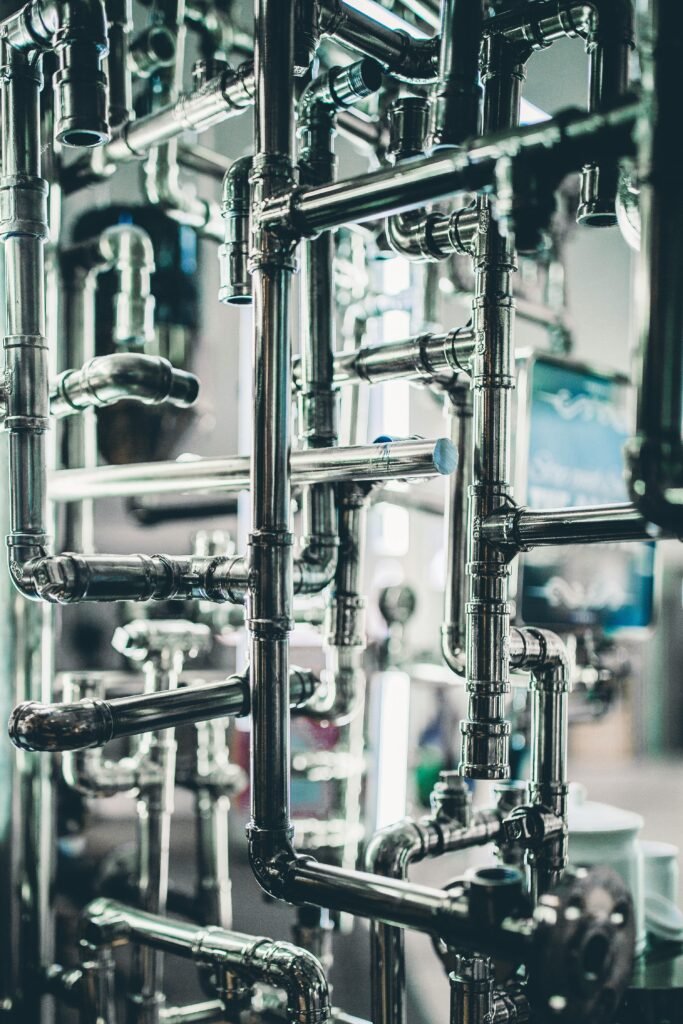
If you’ve ever dealt with a burst pipe or a backed-up toilet, you know how stressful plumbing issues can be. They usually come out of nowhere and can leave behind a mess that’s expensive, time-consuming, and downright frustrating.
But here’s the good news: Most of the worst plumbing problems are 100% preventable. Yep — that’s right.
Whether you’re a first-time homeowner or someone who’s been around the block, avoiding these common mistakes can save you thousands of dollars and spare you a major headache down the road. So grab a cup of coffee, and let’s dive into the 7 costly plumbing mistakes homeowners make — and more importantly, how you can avoid them.
1. Ignoring Small Leaks
Let’s start with the sneaky stuff.
That slow drip coming from your faucet? The tiny puddle forming under the kitchen sink? Easy to ignore — but a huge mistake. Leaks, no matter how small, are the first sign that something’s wrong. What starts as a minor inconvenience can quickly turn into mold, mildew, and long-term damage to your cabinetry or flooring.
According to the Environmental Protection Agency (EPA), a single leaky faucet dripping once per second can waste more than 3,000 gallons of water per year — enough to take over 180 showers!
2. Overusing Chemical Drain Cleaners
When your drain clogs, it’s tempting to grab a bottle of powerful drain cleaner and let it work its magic. But those chemicals can actually be too strong. They break down whatever’s clogging your pipe — but they also eat away at your plumbing over time, especially if you have older metal pipes.
Plus, they’re harmful to the environment and your indoor air quality.
Better option: Use a mixture of baking soda and vinegar followed by hot water, or invest in a drain snake. If the clog is recurring, it’s time to call a plumber.
3. DIYing Without Knowing What You're Doing
We get it — YouTube makes DIY plumbing look easy. And sometimes it is! But other times, not so much.
One wrong twist, and you could turn a small issue into a disaster. Whether it’s cross-threading a pipe, using the wrong materials, or misdiagnosing the problem entirely, DIY mistakes can cost you more in repairs than if you’d hired someone in the first place.
Avoid it: If you’re not 100% confident, bring in a licensed plumber. Your future self (and your wallet) will thank you.
4. Flushing Things That Shouldn’t Be Flushed
This is a plumbing no-no that almost everyone is guilty of at some point.
Toilets are designed to handle only toilet paper and, well… human waste. But many people flush things like baby wipes, paper towels, cotton swabs, and even dental floss. These items don’t break down and can clog your pipes or cause damage to your septic system.
Even wipes labeled “flushable” can cause blockages!
Avoid it: Keep a trash can next to the toilet and use it for everything except toilet paper. If you’re unsure whether something can be flushed — it probably can’t.
5. Forgetting to Shut Off the Water
Planning to replace a faucet or install a new fixture? Awesome! Just make sure you shut off your home’s water supply first.
Skipping this step is like baking a cake without turning on the oven. Except, in this case, it ends with water spraying all over your bathroom and soaking into your floor.
Avoid it: Always locate your home’s main shut-off valve and turn it off before starting any plumbing work. Not sure where it is? Now’s the perfect time to find out.
6. Not Winterizing Your Pipes
If you live in a colder climate, frozen pipes can be your worst nightmare. When water inside the pipes freezes, it expands, putting enormous pressure on the pipe walls. The result? Cracked or burst pipes and a flooded home.
Avoid it:
Insulate exposed pipes in unheated areas like basements, attics, or garages.
Let faucets drip on freezing nights.
Always disconnect outdoor hoses and shut off exterior faucets before winter hits.
7. Skipping Routine Maintenance
Most of us only think about plumbing when something breaks. But like your car, your plumbing system needs regular maintenance to run efficiently.
From water heaters to sump pumps, every component of your system has a lifespan. Without routine check-ups, you risk letting small issues grow into major repairs.
Avoid it:
Schedule an annual plumbing inspection. A professional plumber can spot potential problems you wouldn’t notice — like a slow leak inside your wall or corrosion in your pipes.
Final Thoughts
Plumbing problems have a sneaky way of appearing at the worst possible time — right before guests arrive, during the holidays, or in the middle of the night. But here’s the thing: most major issues start small. A drip, a clog, a weird noise — those are all signs that something’s off.
By avoiding the 7 mistakes we just covered, you can prevent 90% of household plumbing disasters before they ever begin. Whether you’re handy with a wrench or prefer to call in the pros, the key is being proactive, not reactive.
Your home is one of your biggest investments — and taking care of your plumbing helps protect it from costly, stressful damage.