Modern vs Traditional Furniture: Which Timeless Style Truly Suits Your Home?

When designing a space you love, one key decision is choosing between modern vs traditional furniture — a style choice that reflects both your home and personality. Most spaces today lean toward one or blend both, based on lifestyle and taste. But how do you know which timeless style truly fits your home and way of living?
Let’s break it down and help you decide.
Understanding Modern Furniture: Sleek, Minimal, and Functional
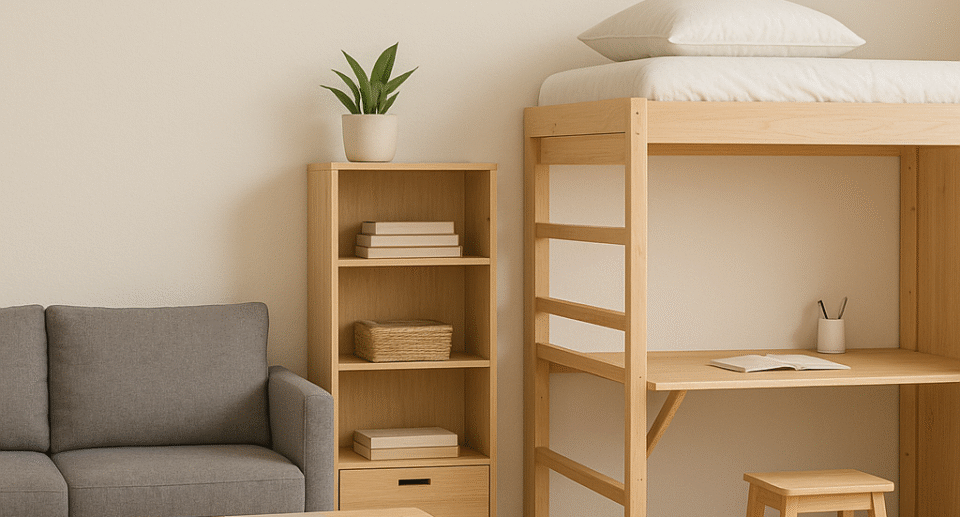
Modern furniture is all about simplicity, clean lines, and functionality. Originating in the late 19th to early 20th century, modern design was born from the idea that form should follow function. In other words, pieces shouldn’t just look good — they should work hard too.
What does modern furniture look like?
-
Smooth surfaces like glass, chrome, and steel
-
Neutral color palettes: white, grey, black, and beige
-
Geometric shapes and minimal ornamentation
-
Multipurpose furniture (like a storage ottoman or a sofa bed)
-
Open, uncluttered layouts
Modern furniture is especially ideal for people living in small apartments or urban spaces, where every inch counts. It offers a calming, airy aesthetic that many busy professionals or minimalists find appealing.
Why people love it:
Modern furniture feels fresh, efficient, and easy to style. It works well with open floor plans and pairs beautifully with natural light and modern architecture.
Exploring Traditional Furniture: Elegant, Rich, and Timeless
If you’ve ever walked into a room and immediately felt warm, nostalgic, or like you’ve stepped into a story — that’s the magic of traditional furniture.
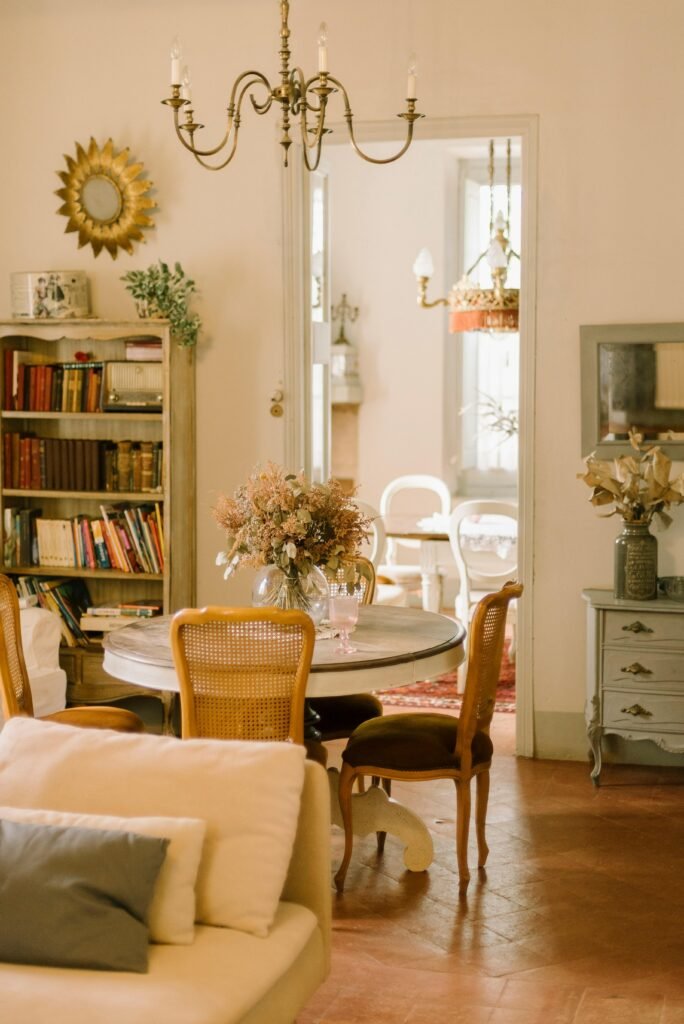
Traditional style takes inspiration from 18th- and 19th-century European design, often featuring detailed woodwork, curved legs, ornate carvings, and classic patterns.
Key elements of traditional furniture include:
-
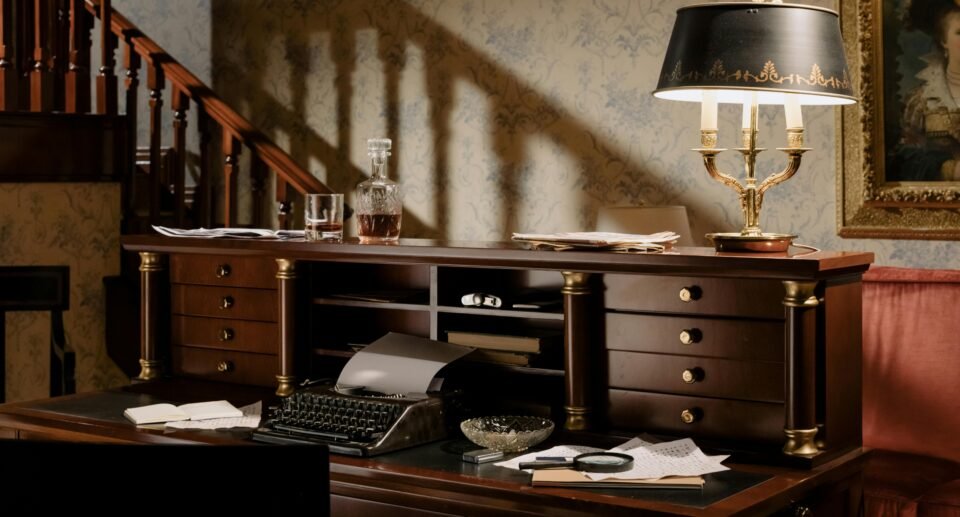
Rich, dark wood finishes (like mahogany or cherry)
-
Plush fabrics: velvet, silk, or patterned upholstery
-
Deep, warm colors: burgundy, navy, forest green
-
Decorative details: tufted backs, brass handles, trim work
-
Statement pieces like grand sofas or high-backed chairs
Why people love it:
Traditional furniture creates a feeling of luxury, warmth, and stability. It’s ideal for those who enjoy timeless elegance and want their home to feel rooted in history and comfort.
Which Style Suits You Best?
Still wondering which direction to go? Here’s a quick checklist to help you reflect:
Choose Modern Furniture if you:
-
Prefer a minimalist lifestyle
-
Like open, airy spaces with less clutter
-
Live in a smaller space or apartment
-
Love neutral tones and clean lines
-
Want furniture that’s sleek and low-maintenance
Choose Traditional Furniture if you:
-
Prefer classic, cozy, and inviting interiors
-
Enjoy antique-style or heirloom pieces
-
Like detailed craftsmanship and richness in design
-
Have larger spaces that suit statement furniture
-
Love warm tones, patterns, and textures
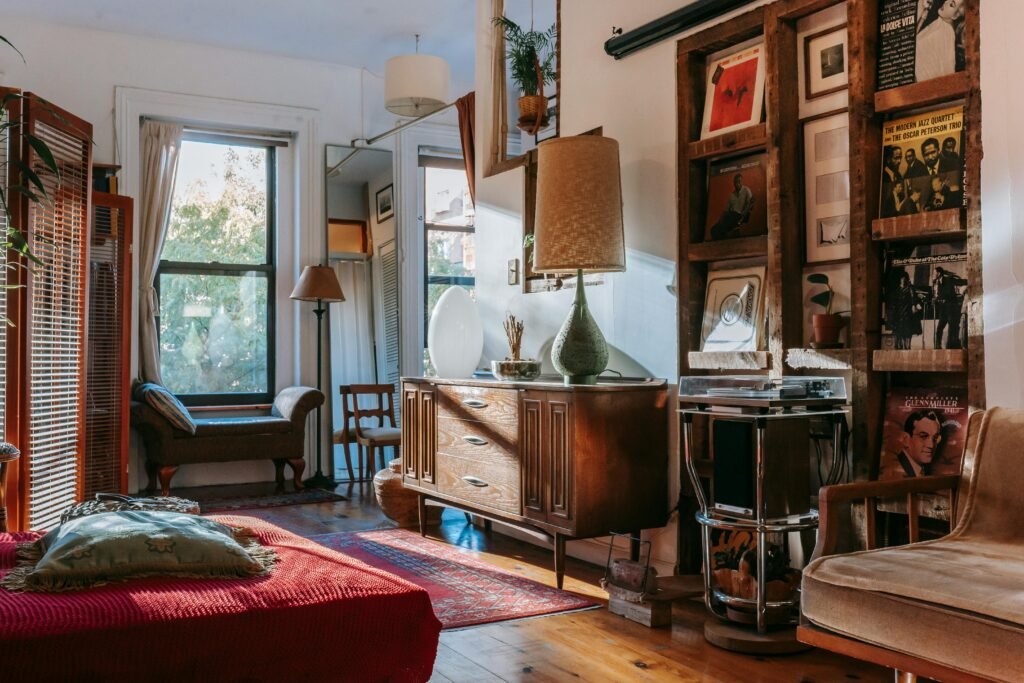
The Rise of Mixing Styles: Best of Both Worlds
You don’t have to be all one thing or the other — in fact, some of the most beautifully designed homes are a blend of modern and traditional elements, a style often called transitional.
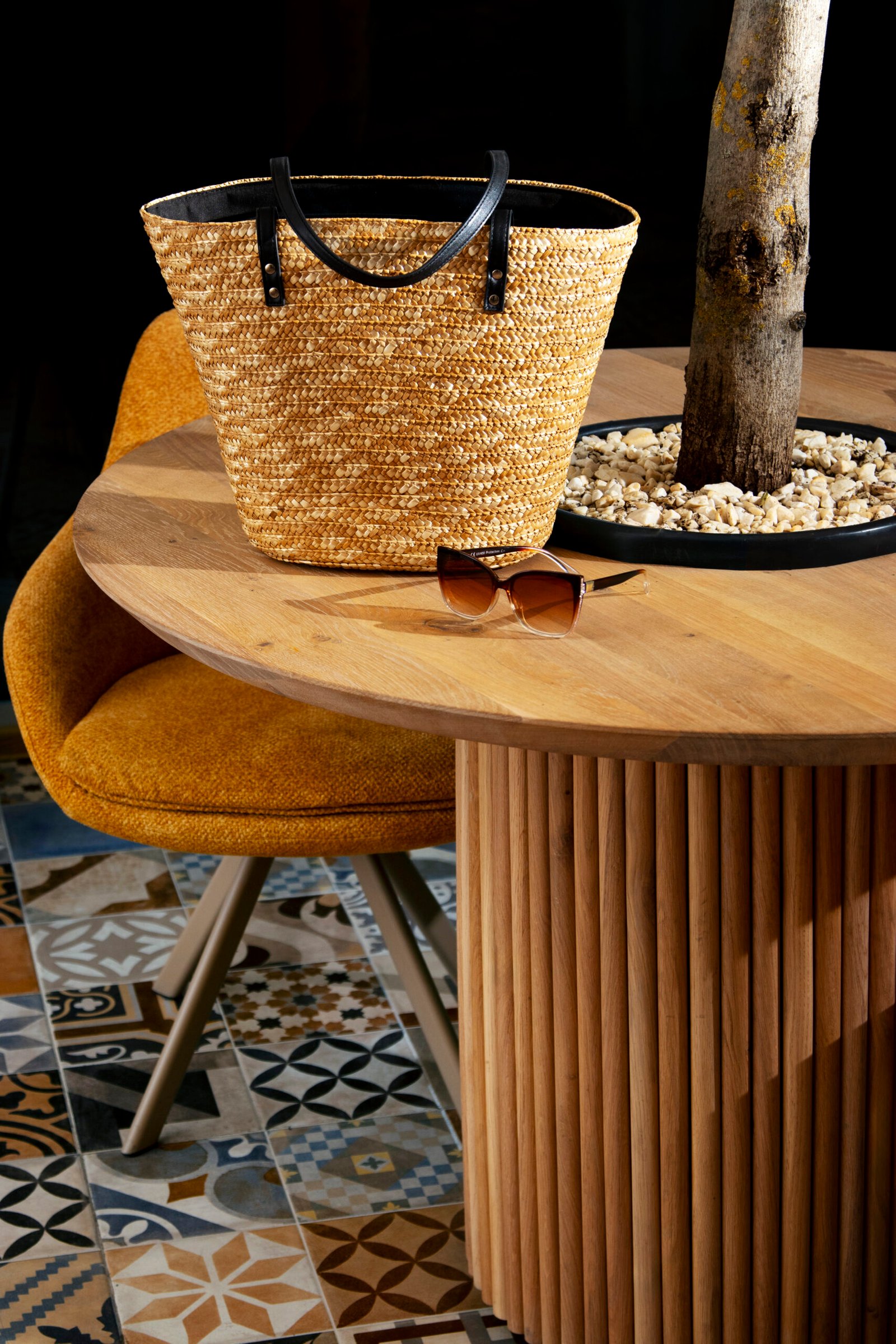
Imagine a modern beige sectional sofa paired with a traditional carved wood coffee table. Or a minimalist dining table surrounded by vintage chairs.
Why this works:
-
It adds personality and visual interest
-
It allows you to keep meaningful heirlooms while still embracing fresh trends
-
It’s practical and flexible, adapting as your tastes evolve
When mixing styles, balance is key. Try to keep one style dominant (say, 70% modern and 30% traditional) so your space feels intentional, not chaotic.
Real-Life Considerations: What to Think About Before Choosing
Beyond aesthetics, choosing furniture also depends on how you live.
-
Lifestyle:
Do you have kids, pets, or frequent guests? You might want durable, easy-to-clean modern fabrics and fewer delicate items. -
Budget:
Traditional furniture can be more expensive due to detailed craftsmanship and materials, but thrift stores and antique markets offer great finds. Modern pieces are often more affordable and widely available. -
Space:
Modern furniture works beautifully in small apartments due to its sleekness and versatility. Traditional pieces need more room to shine and can sometimes overpower tight spaces. -
Emotional Connection:
Sometimes, it’s not about trends — it’s about what makes you feel good. That old wooden rocking chair passed down from your grandparents might not be “modern,” but if it brings comfort, it deserves a place in your home.
Modern Vs traditional Furniture Final Thoughts
At the end of the day, your home should feel like you. It’s where you kick off your shoes, unwind, and just be. And when it comes to decorating that space, one of the most personal choices you’ll make is deciding between modern vs traditional furniture — or figuring out your own blend of both.
Love the clean, crisp lines of modern design? Great. Prefer the warmth and charm of traditional pieces that remind you of your childhood home? That’s beautiful too. The truth is, there’s no strict answer when it comes to modern vs traditional furniture — it’s all about what feels right to you.
You don’t need to follow a rulebook. If a sleek modern coffee table paired with a carved antique armchair makes you smile every time you walk into the room — go for it. Some days your space might look like a modern loft, and other days it might feel like a cozy little cottage. That’s the magic of mixing modern vs traditional furniture — it lets your personality shine through in the most honest way.
So… modern? Traditional? Or a little bit of both?
There’s no wrong answer — just the one that feels like home.