Landscaping, Hardscaping & Softscaping: A Complete Guide

smallbackyard_admin
- May 29, 2025
- 4 Min Read
When it comes to transforming your outdoor space, understanding the differences between landscaping, hardscaping, and softscaping is key to a well-balanced and beautiful yard. Whether you’re designing a serene backyard retreat or boosting curb appeal, these three elements work together to create a functional, attractive environment.
What is Landscaping?
Landscaping is the umbrella term for all improvements made to the land around a home or property. It includes planning, designing, installing, and maintaining both the living (softscape) and non-living (hardscape) features of your yard.
A well-landscaped yard isn’t just visually appealing—it also increases property value, improves outdoor functionality, and enhances environmental sustainability.
What is Hardscaping?
Hardscaping refers to the non-living elements in your landscape design. These include:
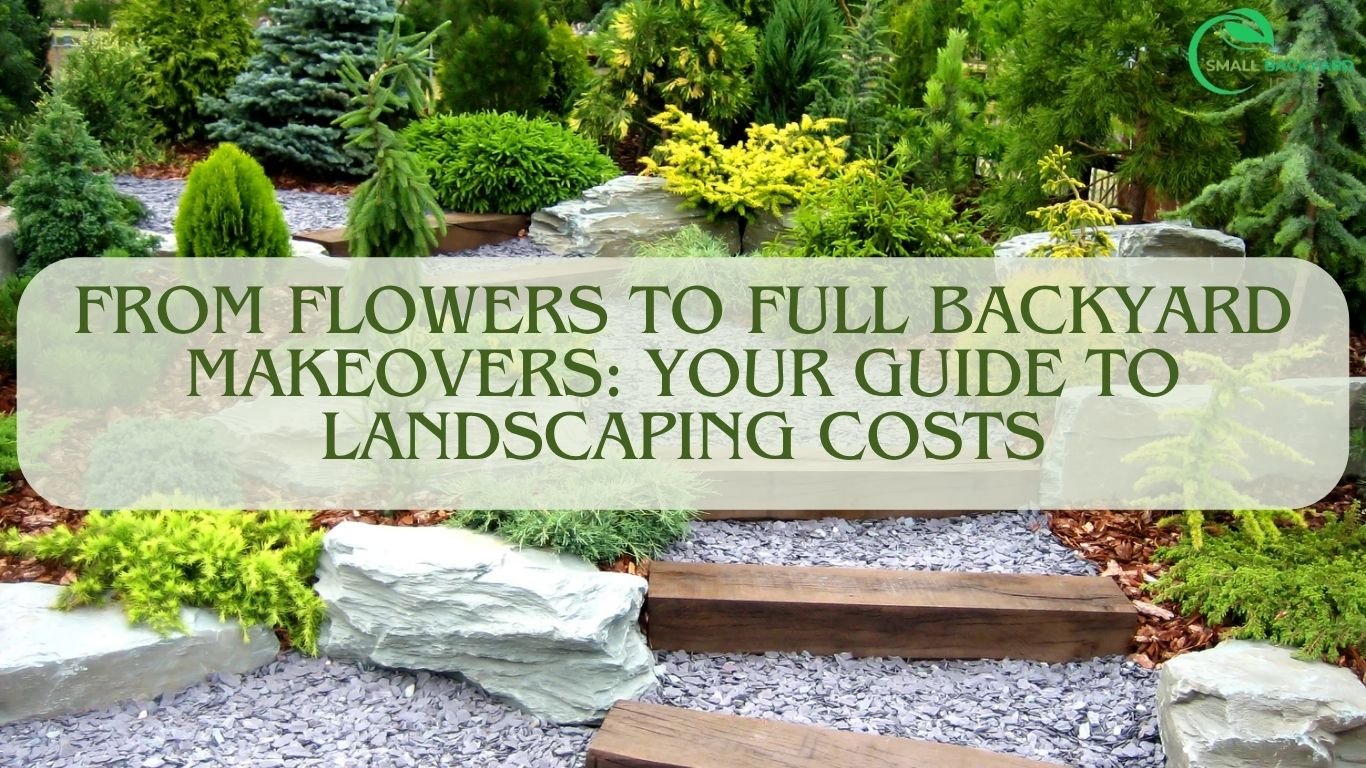
- Patios and walkways
- Driveways
- Retaining walls
- Pergolas and gazebos
- Outdoor kitchens and fire pits
- Stone, concrete, or brick pavers
Hardscaping adds structure and function to outdoor areas. It defines traffic flow, adds usable space, and serves as the foundation for softscaping. It also reduces maintenance by minimizing lawn or plant areas.
Benefits of Hardscaping:
- Durability: Made from strong materials like stone, brick, or concrete, hardscapes last for years.
- Low Maintenance: Once installed, they require little upkeep.
- Visual Contrast: Adds balance and texture to the landscape.
What is Softscaping?
Softscaping includes all the living elements in your landscape design. This involves:
- Grass, flowers, trees, and shrubs
- Groundcovers and vines
- Garden beds and planters
- Mulch and compost layers
- Seasonal plantings
Softscape adds beauty, color, and life to a yard. It evolves with the seasons and can be customized based on preferences, region, and sunlight exposure.
Benefits of Softscaping:
- Eco-Friendly: Improves air quality and supports biodiversity.
- Cooling Effects: Plants provide natural shade and lower temperatures.
- Seasonal Appeal: Flowers and foliage add vibrant visuals throughout the year.
Landscaping vs. Hardscaping vs. Softscaping
Element | Description | Examples |
Landscaping | Overall outdoor design & planning | Includes both hardscape & softscape |
Hardscaping | Non-living features | Patios, walkways, retaining walls |
Softscaping | Living elements | Trees, flowers, lawns, garden beds |
While landscaping is the broad strategy, hardscaping and softscaping are the building blocks. A successful design uses both in harmony to maximize aesthetic appeal and functionality.
Tips for Designing a Balanced Landscape
- Start with a Plan
Assess your outdoor space. Consider sunlight, shade, drainage, and usage. - Mix Hardscape and Softscape
Blend textures—stone pathways with soft flower borders or a wooden pergola draped in vines. - Consider Maintenance
Choose low-maintenance plants and durable materials if you prefer minimal upkeep. - Work with Your Climate
Use native plants and regionally appropriate materials to improve longevity and sustainability. - Hire a Professional When Needed
For complex installations like retaining walls or irrigation systems, a landscape architect or contractor is invaluable.
Budgeting for Landscaping Projects
Your budget should account for design, materials, labor, and maintenance. Here’s a rough breakdown:
- Basic landscaping (DIY): $1,500–$5,000
- Professional design & installation: $10,000–$50,000+
- Hardscaping (pavers, patios): $15–$50 per sq. ft.
- Softscaping (plants, lawn): $4–$12 per sq. ft.
Plan your budget in phases—start with structure (hardscaping), then layer in softscaping
Popular Landscaping Trends for 2025
- Sustainable Materials: Recycled pavers, permeable surfaces
- Edible Landscapes: Herbs, vegetables, and fruit trees
- Smart Irrigation: Water-saving tech and drip systems
- Outdoor Living Rooms: Integrated seating, fire pits, and lighting
- Native Planting: Eco-friendly and low-maintenance solutions
Common Mistakes to Avoid
- Ignoring Drainage: Poor drainage can destroy plants and damage structures.
- Overplanting: Crowded gardens become hard to manage.
- Using Incompatible Materials: Choose materials suited to your climate.
- Neglecting Maintenance: All landscapes need ongoing care.
- Forgetting About Function: Think about how you’ll use the space daily.
Conclusion
Landscaping, hardscaping, and softscaping are more than aesthetic choices—they define how you live outdoors. A thoughtfully planned yard can increase your home’s value, reduce maintenance, and create a personal sanctuary.
Whether you DIY or hire a professional, the key is balance. Let structure (hardscape) support life (softscape), and let it all fit your lifestyle and environment.