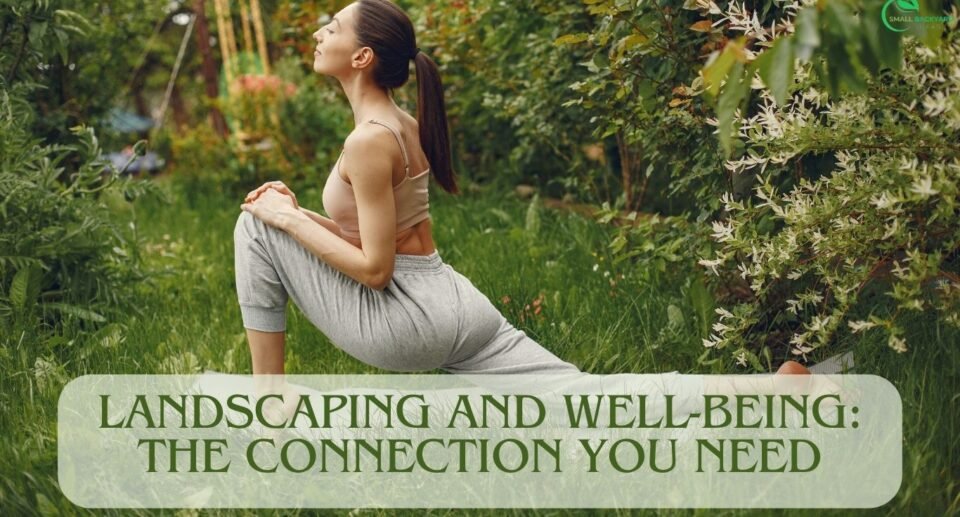
Landscaping and Well-Being: The Connection You Need

smallbackyard_admin
- May 24, 2025
- 6 Min Read
Introduction: More Than Just a Pretty Yard
Landscaping is often viewed as a purely visual enhancement—something that adds curb appeal or increases a home’s resale value. But in reality, a thoughtfully landscaped space can do far more than just make your property look good. It can actively improve your mental health, encourage physical activity, and create a peaceful environment that nourishes the soul.
In a world that’s becoming more fast-paced and digital every day, connecting with nature is more important than ever. Landscaping provides a powerful way to bring nature into your daily life—even if you live in the middle of a city.
In this blog post, we’ll explore why landscaping is essential for our overall well-being, how it affects our health, and practical tips to create a wellness-focused yard.
1. Landscaping Helps Reduce Stress and Anxiety
One of the most compelling reasons to invest in landscaping is its ability to lower stress. Numerous studies have shown that spending time in green environments can reduce cortisol levels—the hormone linked to stress.
A well-landscaped backyard with trees, shrubs, flowers, and a small seating area offers a personal escape from the hustle and bustle. It acts like a natural therapy zone, where even a few minutes outside can calm your mind and reset your mood.
Tip:
Add calming elements like water features, lavender plants, or shaded benches for quick relaxation.
2. Boosts Mental Clarity and Creativity
Nature stimulates the mind in unique ways. According to environmental psychologists, being around greenery can sharpen focus, improve memory, and enhance creativity. That’s why many innovative workplaces and schools are incorporating green spaces into their designs.
Even at home, a landscaped space can help you think better, work more productively, or simply feel mentally refreshed. If you work remotely or need a peaceful place to read or brainstorm, a well-designed garden can serve as your creative sanctuary.
Tip:
Create dedicated zones in your yard—a reading nook, a garden desk, or even a small meditation area surrounded by flowers or herbs.
3. Encourages Physical Activity
A well-maintained yard encourages movement. Whether it’s gardening, watering plants, mowing the lawn, or simply walking through your garden path, you’re staying active without even realizing it.
And the best part? It doesn’t feel like a workout. These simple, low-impact activities can improve flexibility, heart health, and energy levels, especially for older adults.
Tip:
Install walkways or stepping stones to encourage strolls around your garden. Keep tools handy to make yard care fun and accessible.
4. Strengthens Family and Social Bonds
Beautiful outdoor spaces naturally draw people together. Whether it’s hosting weekend barbecues, gardening with kids, or enjoying quiet morning coffee with your partner, landscaping brings family and friends outdoors.
Shared outdoor activities build deeper connections and create lasting memories. In neighborhoods, good landscaping can even spark community engagement—people are more likely to say hello when they’re outside tending their gardens.
Tip:
Include seating areas, fire pits, or outdoor dining spaces in your landscape design. These features encourage interaction and shared experiences.
5. Enhances Emotional Resilience
Spending time in natural surroundings is linked to greater emotional resilience. The presence of flowers, greenery, and natural elements helps reduce symptoms of depression, anxiety, and even ADHD in both adults and children.
Landscaping your own space gives you a sense of accomplishment and ownership. Watching a garden grow—especially one you designed and cared for—is deeply rewarding and emotionally healing.
Tip:
Plant a small vegetable or flower garden and involve your family in caring for it. Watching life grow can inspire joy and gratitude.
6. Improves Sleep Quality
Exposure to natural light and spending time outdoors during the day helps regulate your circadian rhythm, which in turn promotes better sleep. Landscaping that includes cozy corners and comfortable seating gives you reasons to be outside more often—naturally syncing your internal clock.
Additionally, the quiet and calming presence of nature can act as a buffer against urban noise, helping you sleep more peacefully at night.
Tip:
Plant hedges or use outdoor sound-blocking elements if you live near busy streets. Use soft lighting to create a soothing nighttime landscape.
7. Encourages Mindful Living
Mindfulness is about being present, and nothing brings you into the moment like nature. The sound of birds, the feel of soil in your hands, or the gentle rustle of leaves are all opportunities to slow down and connect with the present.
Landscaping, especially when you participate in it, becomes a form of active meditation. It clears your mind and brings awareness to your surroundings—something we often overlook in a digital world.
Tip:
Incorporate sensory plants like rosemary (touch), jasmine (smell), and ornamental grasses (sound). Design your space to engage all five senses.
8. Supports Environmental Wellness
Landscaping not only helps people—it supports the planet. A well-planned yard helps manage stormwater runoff, provides habitats for pollinators, and reduces heat islands in urban areas.
Eco-conscious landscaping also boosts your own sense of well-being. Knowing you’re contributing to environmental sustainability adds a sense of purpose and pride to your outdoor activities.
Tip:
Choose native plants, reduce lawn size, and install a rain garden or compost system. These small changes have a big ecological impact.
Frequently Asked Questions (FAQs)
Q1: How does landscaping improve mental health?
Landscaping provides exposure to nature, which is scientifically proven to reduce stress, anxiety, and symptoms of depression. Green spaces promote relaxation and emotional balance.
Q2: Is it expensive to create a wellness-friendly garden?
Not at all. You can start small with potted plants, herbs, or a few native flowers. Over time, add features like seating areas, water elements, or shade structures to enhance your space.
Q3: What are the best plants for emotional well-being?
Lavender, jasmine, rosemary, aloe vera, and peace lilies are great options. They’re known for their calming properties and are relatively easy to maintain.
Q4: Can I landscape a small space for wellness?
Absolutely! Even a tiny balcony or backyard can become a peaceful retreat. Use vertical gardens, hanging pots, or compact furniture to maximize your area.
Q5: How can I make my yard more family-friendly?
Incorporate open lawn spaces for play, raised beds for family gardening, and shaded corners for relaxing together. Make sure paths are safe and lighting is gentle but adequate.
Conclusion: Your Garden, Your Sanctuary
Landscaping isn’t just an aesthetic choice—it’s a lifestyle one. When done thoughtfully, your outdoor space becomes a sanctuary for your body, mind, and spirit.
Whether you’re looking to reduce stress, improve mental focus, or just create a more joyful place to call home, landscaping is a powerful and natural solution. You don’t need a sprawling estate; even small changes can bring big benefits to your everyday life.
So the next time you look at your yard, ask yourself—not just how it looks, but how it makes you feel. And if it could use a little more serenity, color, or comfort… maybe it’s time to get planting.