“Revolutionary Smart Plumbing Technologies for Modern Homes” 2025

smallbackyard_admin
- May 22, 2025
- 7 Min Read
(Smart Plumbing) Imagine your house could talk to you—telling you when there’s a leak, helping you save water, and letting you control it all from your phone. That’s not a sci-fi dream. That’s smart plumbing, and it’s here now. With the increasing push toward sustainability, safety, and home automation, smart plumbing is becoming a must-have for modern households.
What Is Smart Plumbing?
Smart plumbing uses advanced, internet-connected devices like sensors, valves, and water monitors to manage your water system more efficiently. These devices monitor water usage, detect leaks, control flow, and provide data in real-time. The result? A safer, smarter, and more eco-friendly home.
At its core, smart plumbing is about making sure your water systems are doing their job without wasting resources or causing damage. Whether it’s a hidden leak behind a wall or excess usage during a drought, these systems help you act fast and stay informed.
Why It’s a Game-Changer
Stops Leaks Before They Cost You Thousands
Leaks are one of the most common and costly home maintenance issues. A small drip can waste gallons of water daily and lead to mold, damage, and high repair costs. Smart plumbing tools, like leak detectors and moisture sensors, spot issues early. Some systems even shut off the water supply automatically if they detect a significant leak.
These features are especially useful in vacation homes or rentals, where leaks can go unnoticed for days or weeks. Real-time notifications allow you to take action from anywhere, potentially saving thousands of dollars in water damage repairs.
Reduces Your Water Bill
Conservation isn’t just good for the environment—it’s great for your wallet. Smart plumbing helps you understand how much water you’re using in every part of your home, from your bathroom sink to your lawn sprinklers. Armed with this data, you can adjust your habits and stop wasteful patterns.
Many smart water monitors offer breakdowns by fixture and suggest actionable ways to reduce water usage, like upgrading to low-flow devices or fixing a dripping tap. You can even set water usage goals and track your progress through mobile apps.
Control Everything from Anywhere
Remote access is one of the biggest perks of smart plumbing. Whether you’re at work, on vacation, or just lounging on the couch, you can manage your entire system from your smartphone. Want to shut off the water while you’re away? Check water pressure levels? Get alerts when usage spikes? It’s all possible through easy-to-use apps.
Some systems integrate with virtual assistants like Amazon Alexa or Google Assistant, allowing voice commands for simple tasks like turning off water to outdoor spigots or adjusting your smart water heater settings.
Adds Value to Your Home
In today’s competitive housing market, smart features can set your home apart. Buyers love energy-efficient, safe, and modern upgrades, and smart plumbing checks all those boxes. Homes with integrated smart systems are often more attractive to eco-conscious or tech-savvy buyers.
Installing smart plumbing devices not only improves daily convenience but also enhances resale value and may qualify you for discounts on homeowner’s insurance.
Must-Have Smart Plumbing Devices
Let’s break down some of the essential devices that make up a smart plumbing system:
Smart Leak Detectors
These small, battery-powered devices can be placed in high-risk areas like under sinks, near water heaters, or behind washing machines. They send alerts to your phone when they detect moisture, helping you act quickly to stop damage. Some detectors also emit a sound alarm as an additional warning.
Automatic Shut-Off Valves
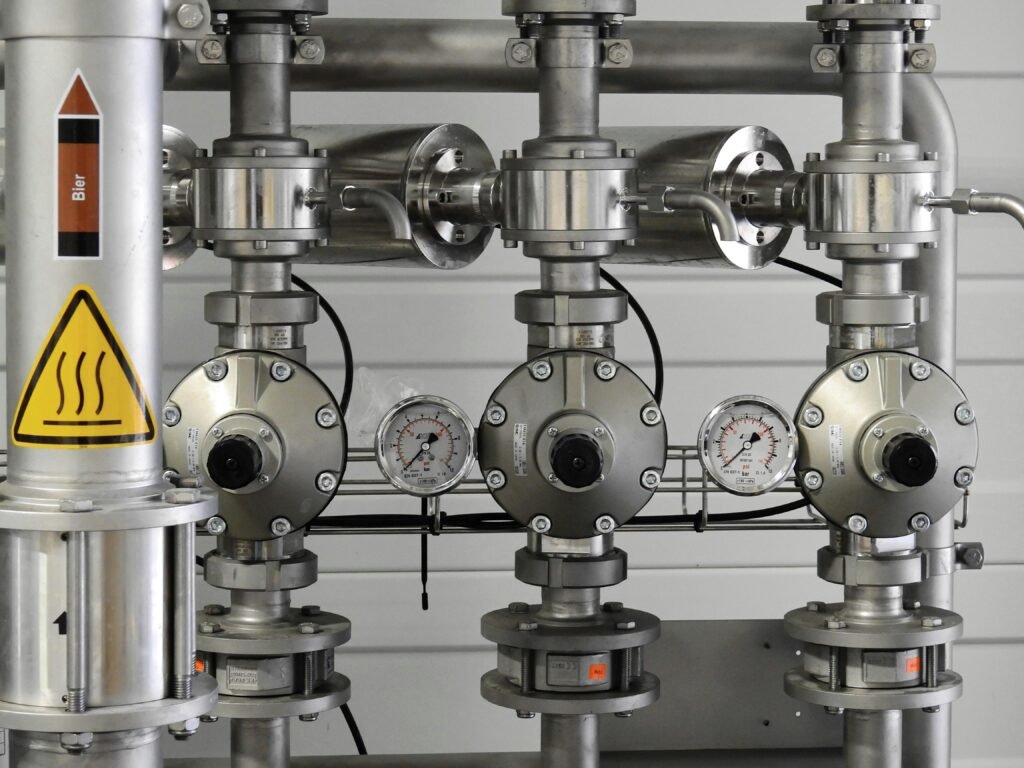
Installed on your main water line, these valves act as guardians of your plumbing system. When paired with sensors, they can turn off your water automatically if a leak is detected. This is especially useful when you’re away from home and unable to respond manually.
Smart Water Heate
Wirsth a smart water heater, you can schedule when to heat water, monitor usage, and adjust temperature settings remotely. Some models learn your routines and automatically optimize energy use. This not only saves power but extends the lifespan of the unit.
Intelligent Irrigation Systems
Smart sprinkler systems use local weather data and soil moisture levels to water your lawn efficiently. They avoid watering on rainy days and adjust based on seasonal changes. This saves thousands of gallons of water annually and keeps your landscaping healthy.
These devices give you a clear picture of how much water each area of your home uses. Some models, like Phyn Plus or Flo by Moen, offer real-time data and analysis through mobile apps, helping you make smarter decisions.
How It All Works
Smart plumbing devices connect via Wi-Fi or Bluetooth and often integrate into a central smart home ecosystem. Here’s how it typically works:
Sensors detect changes in moisture or water flow.
The Central Hub or Cloud Platform collects and analyzes data.
Mobile Apps display the data, send alerts, and allow remote control.
Voice Assistants allow hands-free operation for certain functions.
The best systems use machine learning to get smarter over time. For example, they can learn your daily water usage patterns and notify you when something is out of the ordinary, like a slow, hidden leak in a wall.
Easy to Set Up, Easier to Maintain
Many smart plumbing products are designed with homeowners in mind. Installation ranges from simple plug and play devices (like leak detectors) to more complex systems (like shut-off valves) that may require professional help.
Maintenance is minimal. Most devices need occasional battery replacements or firmware updates. Because these systems often integrate with your smartphone, you’re constantly in the loop about their performance and condition.
Cybersecurity and Privacy
One concern with any smart technology is digital security. Since these devices rely on your home network, they must be secure to protect your data and prevent unauthorized access. Here are a few best practices:
Use strong, unique passwords.
Enable two-factor authentication.
Regularly update your device software.
Use a secure, encrypted Wi-Fi network.
Reputable manufacturers take security seriously and frequently release patches to fix vulnerabilities. Just like locking your doors at night, it’s important to take basic precautions to secure your smart plumbing systems.
What’s Coming Next in Smart Plumbing?
The smart plumbing industry is evolving quickly. Here are some exciting innovations we might see in the near future:
Predictive Maintenance: AI that knows when a pipe might break or when a filter needs replacing, sending you alerts before anything happens.
Water-as-a-Service Models: Subscription-based water monitoring with expert support and maintenance included.
Gray Water Recycling: Systems that automatically treat and reuse water from sinks, showers, and laundry for outdoor use.
Eco-Score Integration: Apps that track your water footprint and compare it to community averages to encourage greener habits.
Final Thoughts
Smart plumbing is a perfect example of how technology is transforming everyday living. It provides protection against costly leaks, helps reduce water usage, and gives you greater control over your home. Whether you’re tech-savvy or just want peace of mind, smart plumbing can simplify your life and protect one of your most valuable investments, your home.
With water conservation becoming more important than ever, and climate changes affecting how we manage resources, smart plumbing isn’t just a luxury. It’s a smart and responsible choice. It’s time to bring your plumbing into the 21st century.
Invest in smart plumbing. Save money, reduce waste, and gain control, all with a few smart devices and a tap on your phone.