“How Does a Shower Drain Actually Work? 2025”

smallbackyard_admin
- May 17, 2025
- 6 Min Read
The Strainer – The Drain's Protector
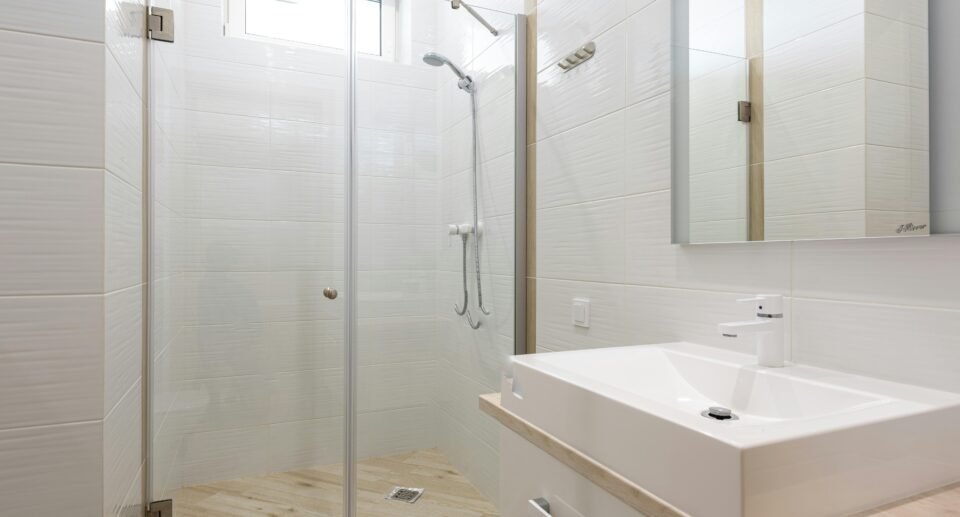
If you take a look at the bottom of your shower, you’ll notice a metal or plastic cover with small holes—this is called the shower strainer. It might seem like a simple piece, but it plays a pretty important role in keeping your bathroom running smoothly.
Think of the strainer as a protective filter for your drain. Every time you shower, loose hair, soap scum, and tiny bits of debris get washed toward the drain. Without the strainer in place, all that gunk would go straight down the pipes. Over time, it can build up and lead to annoying clogs that slow your drain—or worse, cause a complete blockage.
The strainer helps catch that mess before it becomes a problem. It’s easy to overlook, but giving it a quick clean every so often can save you a lot of trouble (and possibly a call to the plumber). So the next time you’re rinsing off and spot a little hair gathering around the strainer, just remember: it’s doing its job to keep your pipes clear and your shower draining properly.
A little maintenance goes a long way!
The Riser – The Water's Path
Right beneath the shower strainer, there’s another important part of your drain system called the riser. You won’t typically see it unless you remove the strainer, but it’s always there, quietly doing its job.
The riser is a vertical pipe that acts like a funnel or a slide for the water you use during your shower. Once the water passes through the holes in the strainer—hopefully free of hair and soap buildup—it flows directly into the riser. From there, the riser guides the water downward into the rest of the drainage system.
Think of it like this: the strainer catches the junk, and the riser keeps everything moving in the right direction. It helps maintain a smooth, controlled flow of water so that there’s no back-up or pooling around your feet while you’re showering.
Though you’ll probably never need to think about it much, the riser is a key player behind the scenes. If it ever gets blocked or damaged, you might notice your shower draining slowly or not at all. So while it doesn’t get much attention, the riser is essential for keeping your shower clean, efficient, and hassle-free.
The P-Trap – The Smell Blocker
Beneath your shower hidden away behind walls or under the floor is a clever little piece of plumbing called the P-trap. It’s easy to overlook because you don’t see it, but it plays a crucial role in keeping your bathroom clean, safe, and odor-free.
The P-trap is a U-shaped pipe that holds a small amount of water at all times. That bit of water may not seem like much, but it acts as a protective barrier between your home and the unpleasant world of sewer gases lurking deeper in the plumbing system.
Here’s how it works: when you use your shower, water flows through the drain, down the riser, and into the P-trap. Some of that water stays behind in the bend of the pipe. This trapped water forms a seal that blocks sewer gases from rising up through the drain and into your bathroom.
Without the P-trap, every time you walked into your bathroom, you’d be greeted by the strong, unpleasant smell of raw sewage and no one wants that! So in a way, the P-trap is like a one-way door: it lets water and waste flow out, but it stops foul odors from creeping back in.
It’s also designed to catch small objects like rings or earrings that might accidentally fall down the drain, giving you a second chance to recover them before they’re lost forever.
So while it might not be visible, the P-trap is quietly working every day to keep your bathroom smelling fresh and functioning properly. Just another example of how plumbing is full of unsung heroes!
The Vent Stack – The Air Helper
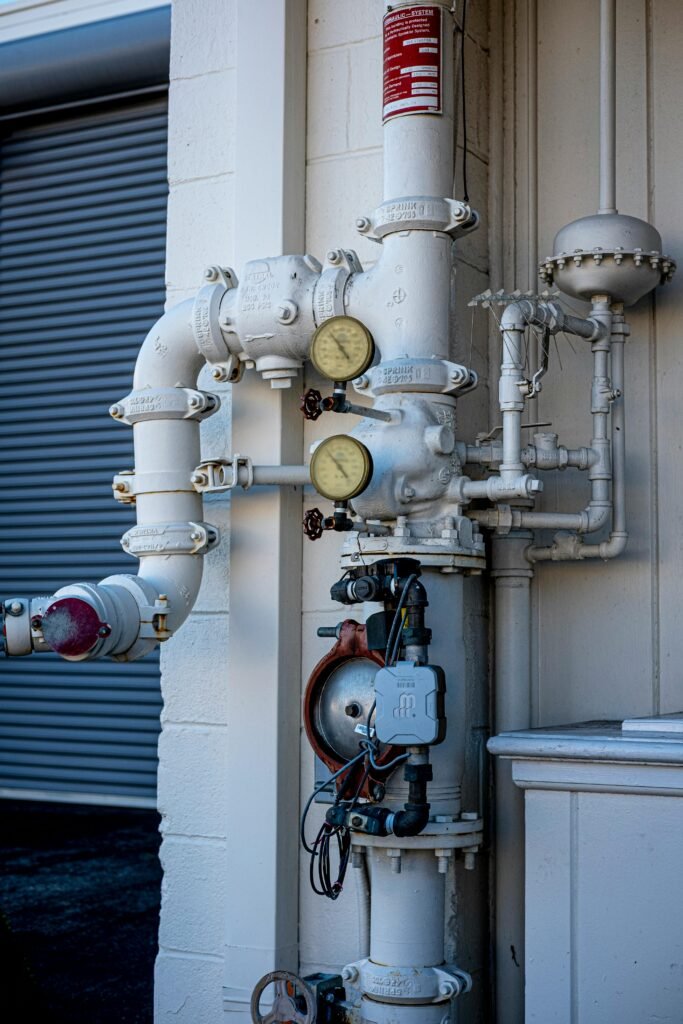
Another important but often unnoticed part of your home’s plumbing system is the vent stack. You might not even realize it’s there, but it plays a key role in making sure everything drains the way it should.
The vent stack is a vertical pipe that usually runs up through your walls and extends all the way out through the roof. Unlike other pipes in your plumbing system that carry water, the vent stack’s main job is to handle airflow. It allows fresh air to enter the system and lets sewer gases escape safely outside.
Here’s why that’s important: when water flows through your drain, say, from a shower or a toilet, it creates a sort of vacuum behind it. Without a way for air to fill that vacuum, the water can struggle to flow smoothly. That’s where the vent stack comes in. It equalizes the pressure in your pipes, so water can move quickly and efficiently down the drain.
Without proper venting, you might notice your drains gurgling or bubbling as air fights its way through the water. You might even deal with slow draining or water backing up. And in some cases, negative pressure could even pull water out of your P trap, breaking that seal and letting sewer smells into your home—yuck.
So even though the vent stack isn’t something you interact with directly, it’s essential to the health of your plumbing system. It keeps water flowing smoothly, prevents strange noises, and helps protect your home from unpleasant odors. It’s like your plumbing system’s breathing tube, ensuring everything works quietly and efficiently behind the scenes.
The Drain Line – The Water's Exit
Finally, after passing through the various parts of your shower’s drainage system the strainer, riser, P trap, and vent stack the water reaches the last major component: the drain line.
The drain line is a horizontal pipe that carries all the used water away from your home and into the main sewer system or a septic tank, depending on how your house is set up. Think of it as the highway that connects your home’s plumbing to the larger waste disposal network. It takes everything that’s been flushed or drained and moves it safely and efficiently out of your living space.
This pipe might be out of sight, but it’s absolutely essential. Without a properly functioning drain line, used water could back up into your bathroom, leading to unpleasant messes, water damage, and even health hazards.
The drain line works together with gravity and the venting system to keep water moving in the right direction. It ensures that once water disappears down your shower drain, it doesn’t stop or slow down until it reaches its final destination.
In a way, it’s the final stretch of the journey a sort of underground tunnel that ensures your bathroom stays dry, clean, and ready for use every day. It’s a silent workhorse, doing its job behind the scenes so you never have to think twice about where the water goes when it leaves your drain.