Emergency Plumbing Services in 2025: 5 Crucial Things Every Homeowner Needs to Know

smallbackyard_admin
- June 1, 2025
- 5 Min Read

Imagine waking up at 2 AM to the sound of rushing water—only to find your bathroom floor completely flooded. The toilet’s overflowing, and the water won’t stop. That’s when emergency plumbing services become your lifeline.
For homeowners, plumbing issues don’t wait for business hours. They come uninvited, at the worst times, and often cause damage that multiplies by the minute. In this post, we’ll walk you through what emergency plumbing really means, what to do when it happens, how to prevent it, and how to choose the right plumber before things spiral out of control.
Why Emergency Plumbing Services Matter
Plumbing issues like leaky pipes, clogged drains, or a broken water heater might seem small—until they escalate into a full-blown emergency. Emergency plumbing services are designed to address urgent plumbing problems that can’t wait for a regular appointment.
These services are typically available 24/7 and include:
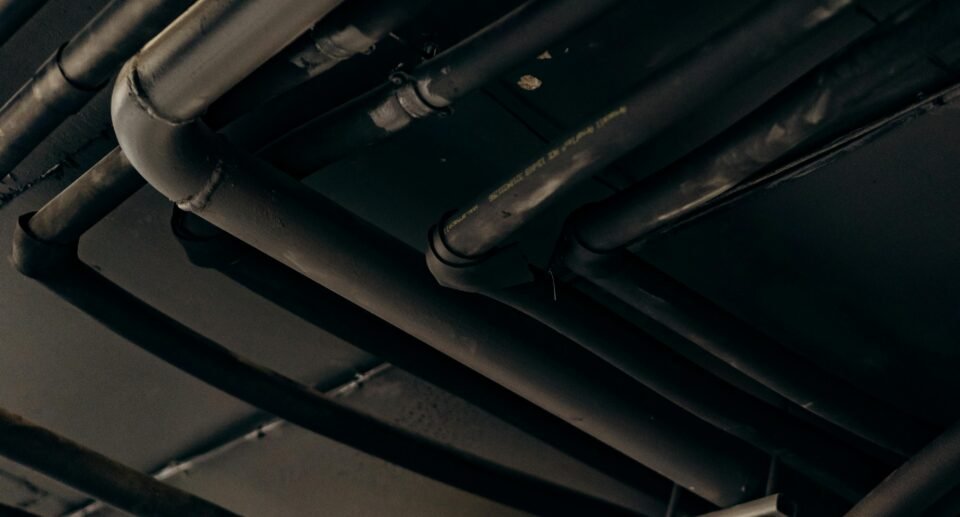
Fixing burst pipes
Stopping overflowing toilets or sinks
Repairing water heater leaks
Unblocking sewer backups
Fixing gas line issues (in some cases)
Delaying action during a plumbing emergency can lead to water damage, mold growth, structural issues, and high repair costs. That’s why quick, expert response matters.
What Qualifies as a Plumbing Emergency?
1. Burst Pipes
When a pipe bursts, water can flood your home within minutes. This can ruin walls, flooring, and furniture fast. If you spot water leaking from a wall or ceiling—or hear the sound of rushing water—shut off the main valve and call an emergency plumber right away.
2. Sewer Backups
If sewage water starts coming up through your bathtub, sink, or toilet, it’s a health hazard and must be addressed immediately. Sewer backups also indicate major blockages or broken pipes deep in your system.
3. Overflowing Toilets
A clogged toilet can overflow quickly, especially in homes with only one bathroom. If plunging doesn’t solve it, and water is rising, it’s time to call a pro.
4. No Hot Water
While this might not seem urgent, not having hot water—especially during winter—can be dangerous, particularly for infants or elderly individuals.
5. Major Leaks
A constant drip might be annoying, but a leaking water heater, burst hose under the sink, or steady stream from your ceiling is definitely urgent.
What to Do While Waiting for the Plumber
Shut Off the Water:
Locate and turn off your main water supply. Every homeowner should know where this is.Turn Off the Water Heater:
This helps prevent tank damage or potential overheating, especially if the leak is related to your heater.Contain the Leak:
Use towels, buckets, or pans to collect water. Keep electronics and furniture out of harm’s way.Document the Scene:
Take photos for insurance purposes before any major cleanup begins.Ventilate the Area:
If possible, open windows and run fans to prevent moisture buildup and mold growth.
How to Prevent Plumbing Emergencies
The best emergency is the one that never happens. With regular maintenance and some homeowner know-how, you can avoid many of these crises.
Preventative Tips:
Insulate Pipes in Cold Weather: Prevent freezing and bursting.
Don’t Use Harsh Chemicals on Drains: They can corrode pipes and create worse blockages.
Flush Only Toilet Paper: No wipes, cotton balls, or hygiene products—even if they say “flushable.”
Check for Leaks Often: Look under sinks and around appliances.
Schedule Annual Plumbing Inspections: A plumber can catch small issues before they become emergencies.
How to Choose the Right Emergency Plumber
In a true emergency, you don’t have time to scroll through dozens of plumber profiles. That’s why it’s smart to choose a trusted emergency plumber in advance and keep their number handy.
Here’s What to Look For:
24/7 Availability: Emergencies don’t wait for business hours.
Upfront Pricing: Transparent estimates help avoid surprise charges.
Licensed and Insured: Never risk your home with an unqualified technician.
Positive Reviews: Real feedback from other homeowners matters.
Quick Response Time: Local plumbers often respond faster in emergencies.
Pro Tip: Call your chosen plumber once beforehand to confirm they handle emergencies, and save their number in your phone as “Emergency Plumber.”
How Much Do Emergency Plumbing Services Cost?
Emergency services typically cost more than scheduled visits—but that’s expected. You’re paying for immediate expertise at odd hours.
Here’s a general idea:
| Type of Emergency | Average Cost (USD) |
|---|---|
| Burst Pipe Repair | $150–$450 |
| Sewer Backup | $300–$600 |
| Emergency Drain Cleaning | $150–$350 |
| Water Heater Repair | $200–$500 |
These are just estimates. The final cost depends on the time of day, parts required, and your location.
Final Thoughts: Be Prepared, Not Panicked
No homeowner wants to face a plumbing emergency—but when it happens, being prepared makes all the difference.
Emergency plumbing services are your safety net. Knowing who to call, what steps to take, and how to prevent future issues will save you time, money, and a massive headache.
So here’s your action list:
Find and save a reliable 24/7 plumber
Learn how to shut off your home’s water
Schedule regular plumbing inspections
Keep calm when emergencies strike
Because when water’s flooding your home at 2 AM, you’ll be glad you didn’t wait until morning to figure things out.