Close
Home interior

“The Real Tongue and Groove Ceiling Cost in 2025: What You NEED to Know”


“The Real Tongue and Groove Ceiling Cost in 2025: What You NEED to Know”

Looking to add a cozy, charming touch to your ceiling? A tongue and groove ceiling is a beautiful way to make your room feel warm and inviting — like something out of a farmhouse or cottage magazine!

But before you grab a hammer or call a contractor, let’s talk about how much it actually costs, what affects the price, and how you can save money along the way.

What Is a Tongue and Groove Ceiling?

A tongue and groove ceiling uses wood planks that fit together like puzzle pieces. One side of the plank has a “tongue” that sticks out, and the other side has a “groove” that the tongue slides into. This makes the planks lock tightly together, creating a seamless and clean look.

You can stain or paint them, or leave the wood natural. Either way, they add texture and personality to your room.

How Much Does It Cost?

The price of a tongue and groove ceiling depends on how big your space is, what type of wood you use, and whether you hire a pro or do it yourself.

  • Typical price range: $400 to $8,250 total

  • Average cost: Around $2,000 for a medium-sized room

  • Cost per square foot: $4 to $15

Bigger rooms = more money. For example:

Room TypeSize (sq. ft.)Cost Range
Bedroom132$528–$1,980
Kitchen161$644–$2,415
Small Living Room216$864–$3,240
Large Living Room320$1,280–$4,800
Porch/Patio550$2,200–$8,250

What Kind of Wood Should You Use?

Different wood types used for tongue and groove ceilings, including pine, cedar, and oak.

You have lots of choices when it comes to wood. Some are cheap but soft, and others are durable but pricey.

Wood TypeCost (Per Sq. Ft.)Notes
Pine$1–$8Very popular and affordable
Cedar$2–$10Smells great, resists bugs
Poplar$2–$5Lightweight and smooth
Oak$3–$8Hard, strong, and classy
Walnut$4–$11Fancy and rich-looking
Cherry$4–$10Beautiful but pricey
Mahogany$4–$11Premium hardwood

Tip: Softwoods like pine and cedar are best for most people. They’re affordable and still look fantastic.

Labor Costs: DIY or Hire a Pro?

Wooden tongue and groove ceiling being installed, with tools and ladder visible, illustrating the DIY process.

Installing a tongue and groove ceiling might seem simple… but it’s not as easy as it looks!

  • Working on the ceiling is physically hard (hello, sore arms!).

  • Cutting and measuring boards takes precision.

  • Mistakes can be expensive to fix.

If You Hire a Pro:

  • $2 to $10 per square foot for labor

  • Or $50 to $100 per hour

If You Do It Yourself:

  • You’ll save on labor, but it takes time, tools, and experience
  • You’ll still pay for wood, paint/stain, sealant, and any tools

Best for DIYers: If you’re comfortable on a ladder, have some carpentry skills, and like a challenge.

Your Location Changes the Cost

Where you live affects the price because:

  • Labor is more expensive in big cities or places with a higher cost of living.

  • Some types of wood are harder to find in certain areas, which means you might pay more for delivery or specialty orders.

Extra Costs You Might Not Expect

Here are some things that can add to your budget:

Project Add-OnCost Estimate
Remove old ceiling$1 per sq. ft.
Fix ceiling damage$450–$1,800
Paint or stain planks$200–$500
Seal the wood$25–$80 per gallon
Labor for sealing~$40 per hour
Raised ceiling install~$9,000
Crown molding$650–$2,200
Ceiling fan$150–$375
Light fixture$160–$1,100
Recessed lighting$100–$300 each

Should You Paint or Stain It?

Yes! Painting or staining your planks protects the wood and helps them last longer.

  • Paint: White or light gray is popular for a clean, modern look.

  • Stain: Shows off the natural wood grain for a rustic or traditional style.

Tongue and Groove vs. Shiplap vs. Drywall

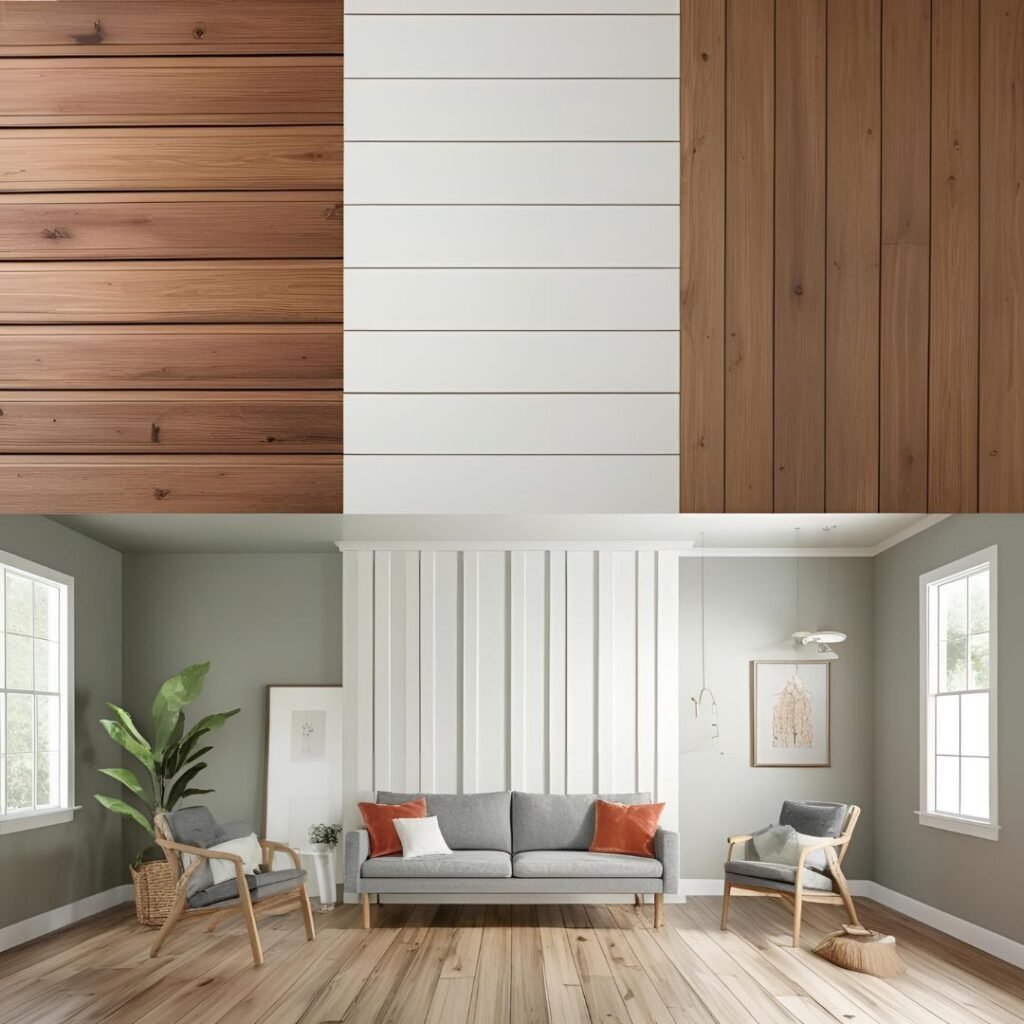
Comparison of tongue and groove, shiplap, and drywall wall finishes.

Let’s compare three popular ceiling types:

TypeLookCostSoundproofingDIY-Friendly
DrywallFlat & smooth Low Great Tricky
ShiplapRustic boards Medium Not great Easier
Tongue & GrooveFitted wood planks High Not great Easier

Tips to Save Money

Close-up of a tongue and groove ceiling in a cozy home interior with natural wood finish.

Want the look without blowing your budget? Try these tips:

  1. Pick softwood like pine or cedar.

  2. Use “rustic” boards with knots and imperfections—they’re cheaper!

  3. Buy unfinished planks and paint or stain them yourself.

  4. Shop around—check local stores and online for deals.

  5. Ask your installer if they get contractor discounts on materials.

Does It Add Home Value?

A tongue and groove ceiling might not boost your home’s value a lot, but it can:

  • Make your space look more inviting and cozy

  • Help your home stand out from the rest

  • Be a selling point if buyers like farmhouse or beachy styles

Pro tip: Make sure it fits your home’s overall design. It looks amazing in farmhouses, cottages, and coastal homes, but might look odd in super modern or urban apartments.

Leave a Reply

Your email address will not be published. Required fields are marked *