What Is the Best Paint for Garage Walls and Ceilings?
smallbackyard_admin
- May 27, 2025
- 5 Min Read
Is your garage feeling more like a dusty storage cave than a part of your home? If it’s filled with old tools, forgotten bikes, and leftover boxes, don’t worry—you’re not alone! But guess what? A fresh coat of paint can totally transform your garage into a clean, bright, and welcoming space.
But before you grab a brush, let’s talk about something important: not all paint is the same—and choosing the best paint for garage walls and ceiling makes a huge difference. The right paint doesn’t just improve how your garage looks—it also protects it from moisture, stains, and wear. This guide breaks down what kind of paint works best for your garage, in simple words anyone can understand.
Why Should You Paint Your Garage Walls and Ceiling?
Painting your garage can:
Make it look clean and new
Help fight off dirt and mold
Brighten up dark corners
Protect your walls from moisture
Turn it into a space you actually enjoy using
But it’s not just about picking your favorite color. Choosing the best paint for garage walls and ceiling depends on several factors—like the material of your walls, the weather in your area, and how you use your garage. Whether it’s for storage, a workshop, or even a home gym, the right paint can make all the difference in durability, appearance, and protection.
Best paint for garage walls & ceilings
Let’s compare the 4 most common types of paint:
| Paint Type | What’s Great About It | What’s Not So Great | Best For |
|---|---|---|---|
| Latex | Budget-friendly and eco-friendly | Not very tough in busy or damp garages | Most garages, especially on a budget |
| Acrylic | Sticks well to concrete and brick | More expensive and needs a few coats | Concrete or brick garage walls |
| Oil-Based | Super strong and stain-resistant | Smelly, messy, and takes a long time to dry | Garages already painted with oil paint |
| Epoxy | Waterproof and lasts for years | Hard to apply and remove, more expensive | Garages that get greasy or dirty a lot |
1. Latex Paint: Great for Basic Jobs
Latex is a water-based paint. It’s easy to clean, simple to use, and doesn’t smell strong. It works well on drywall, wood, and even metal. Plus, it’s usually the cheapest option.
But: It’s not the best for really humid places or busy garages where walls get scuffed or dirty.
Good for: Walls and ceilings in average garages
Not great for: High-humidity or rough-use spaces
2. Acrylic Paint: Stronger Than Latex
Acrylic paint has more polymers in it, which means it sticks better and lasts longer—especially on rough surfaces like brick or concrete. It costs a bit more but saves you time in the long run.
Good for: Concrete or brick walls that need strong coverage
Not great for: Small budgets or quick one-coat jobs
3. Oil-Based Paint: Tough But Tricky
Oil-based paints are super durable and easy to wipe clean. But they take forever to dry, smell bad, and aren’t very eco-friendly.
Good for: Workshops or garages already painted with oil-based paint
Not great for: Damp walls or people sensitive to strong smells
4. Epoxy Paint: The Heavy-Duty Hero
Epoxy paint is like latex mixed with magic glue. It’s waterproof, stain-proof, and perfect if your garage walls take a beating. But applying it takes time, patience, and sometimes a pro painter.
Good for: Messy garages with oil stains or water splashes
Not great for: Quick weekend projects or first-time DIYers
Choosing the Right Paint Sheen (Shiny or Not?)
The “sheen” is how shiny the paint looks after it dries. Different sheens work better in different situations.
| Sheen Type | What It Looks Like | Best For | Watch Out For |
|---|---|---|---|
| Flat | Matte, no shine | Hiding wall flaws | Hard to clean, not very durable |
| Eggshell | Soft, gentle glow | Ceilings or walls with big windows | Still not super washable |
| Satin | Slight shine, smooth feel | Most garage walls | Harder to match during touch-ups |
| Semi-Gloss | Noticeably shiny | Dirty work areas | Shows wall bumps and textures |
| High-Gloss | Super shiny like plastic | Trim or small areas | Too intense for full walls or ceilings |
A Few More Things to Think About
Weather matters: If your garage gets super cold in winter or super hot in summer, pick a paint that can handle temperature swings.
Moisture: If you live in a damp area, pick paint that resists mold and mildew.
Ventilation: Don’t use outdoor paints inside—they can release bad fumes.
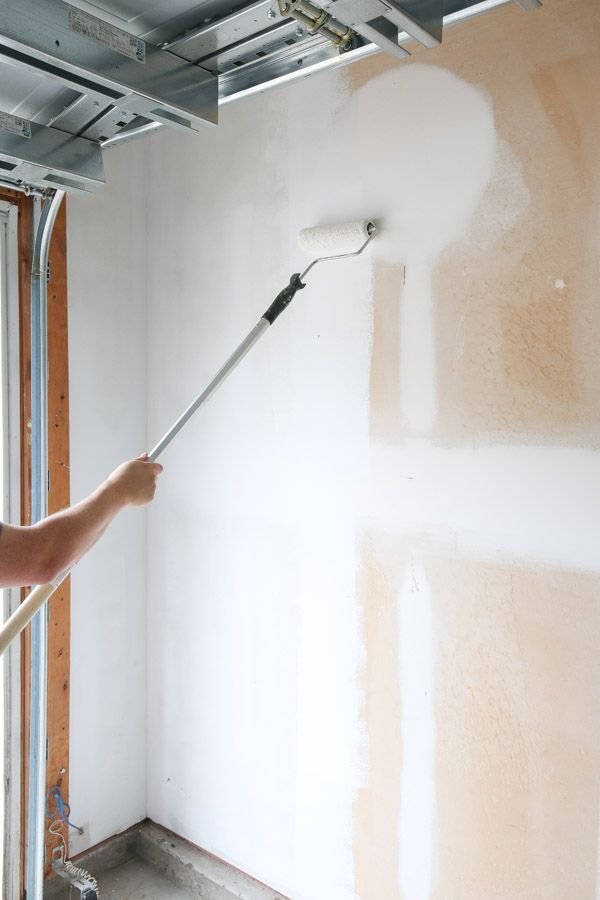
Use primer: A primer helps paint stick better and last longer.
Bottom Line: What Paint Should You Pick?
- If you want something easy and affordable for a regular garage, go with latex.
- If your garage walls are rough, like concrete or brick, use acrylic.
- If you want super strong paint for a workshop or grease-heavy garage, epoxy is the best.
- If you already have oil paint on your walls, stick with oil-based unless you’re ready to strip it all off.
Final Tips on choosing the best paint for garage walls and ceiling
Use semi-gloss or satin for easy cleaning and long wear.
Paint your ceiling a lighter color to brighten the space.
If you’re not sure what to do, talk to a local pro. It’s worth it!