Best Roofing Materials for U.S. Homes

smallbackyard_admin
- June 13, 2025
- 7 Min Read
Introduction
When building or remodeling a home in the United States, one of the most critical decisions is choosing the right roofing material. The roof serves as the first line of defense against the elements and plays a vital role in energy efficiency, aesthetics, and property value. With the U.S. experiencing diverse weather conditions—from hurricanes in Florida to snowstorms in the Midwest—selecting a roofing material that fits your region’s climate is essential. This guide compares the best roofing materials for U.S. home construction, including their pros, cons, and key considerations.
Popular Roofing Materials in the U.S.
1. Asphalt Shingles
Pros: Affordable, easy to install, widely available, variety of colors/styles.
Cons: Moderate lifespan (15–30 years), less eco-friendly.
Best for: Most regions across the U.S., especially suburban homes.
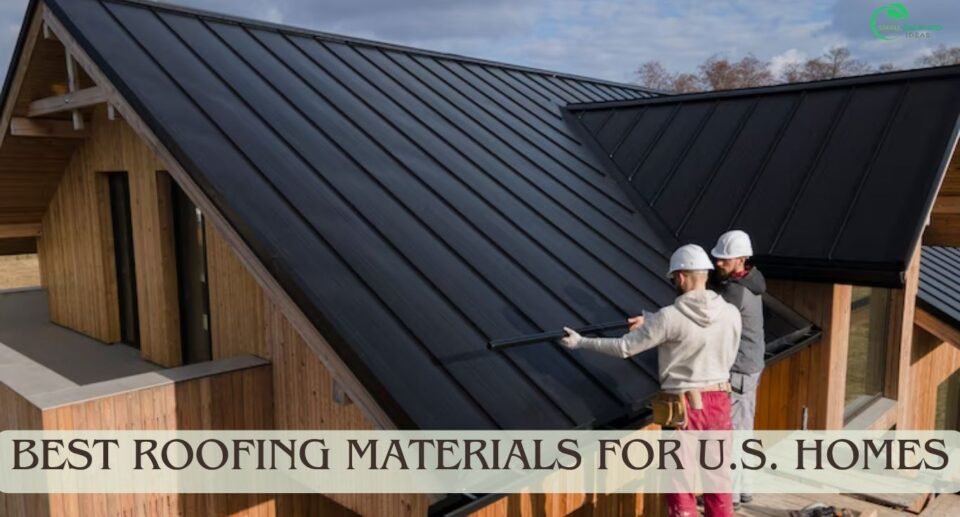
2. Metal Roofing (Steel, Aluminum, Copper)
Pros: Durable, fire-resistant, recyclable, reflects heat well.
Cons: Noisy in rain unless insulated, can be pricey, expansion/contraction with temperature.
Best for: Areas with heavy snow or wildfire risk (e.g., Colorado, California).
3. Clay and Concrete Tiles
Pros: Excellent thermal resistance, long-lasting, beautiful aesthetic.
Cons: Heavy, expensive, requires strong structural support.
Best for: Hot, dry regions like the Southwest and Florida.
4. Slate Roofing
Pros: Extremely durable (up to 100 years), elegant, fire-resistant.
Cons: Very heavy, expensive, labor-intensive to install.
Best for: Historic homes, luxury properties, colder climates.
5. Wood Shingles and Shakes
Pros: Natural beauty, good insulation, eco-friendly if certified.
Cons: High maintenance, fire risk unless treated, short lifespan.
Best for: Rustic or colonial-style homes in mild, dry areas.
6. Synthetic Roofing (Rubber, Plastic, Polymer Composites)
Pros: Lightweight, impact-resistant, mimics natural materials, often recyclable.
Cons: May fade over time, varies by manufacturer.
Best for: All climates; great for homeowners seeking aesthetics with performance.
7. Green Roofs and Solar Tiles
Pros: Environmentally friendly, energy-saving, cutting-edge technology.
Cons: Expensive initial cost, complex installation and maintenance.
Best for: Urban homes or environmentally conscious homeowners.
Factors to Consider When Choosing a Roofing Material
- Climate Suitability
- Snow-prone areas: Slate, metal.
- Hurricane zones: Metal or impact-resistant shingles.
- Hot climates: Clay tiles, white TPO roofing.
- Rain-heavy areas: Asphalt shingles with proper drainage.
- Snow-prone areas: Slate, metal.
- Budget Constraints
- Asphalt is most affordable.
- Slate and clay tiles are premium options.
- Metal roofing offers mid-to-high range pricing with long-term savings.
- Asphalt is most affordable.
- Curb Appeal and Style
- Choose materials that complement your home’s architecture.
- For example, Spanish tile suits Mediterranean homes, while slate suits Colonial or Tudor styles.
- Choose materials that complement your home’s architecture.
- Maintenance and Longevity
- Slate and metal last 50+ years with low upkeep.
- Wood and asphalt may require regular inspections and maintenance.
- Slate and metal last 50+ years with low upkeep.
- Energy Efficiency
- Reflective metal roofs reduce cooling costs.
- Green roofs offer natural insulation.
- Cool roofing technologies now available for asphalt shingles.
- Reflective metal roofs reduce cooling costs.
- Environmental Impact
- Choose recycled or sustainable materials when possible.
- Look for Energy Star-rated or LEED-compliant products.
Roofing Material Comparison Table (U.S. Market)
Material | Avg. Cost per Sq.Ft (USD) | Lifespan | Maintenance Level |
Asphalt Shingles | $1.00 – $2.00 | 15–30 years | Medium |
Metal Roofing | $3.00 – $8.00 | 40–70 years | Low |
Clay Tiles | $8.00 – $15.00 | 50–100 years | Low |
Slate Roofing | $10.00 – $20.00 | 75–100 years | Low |
Wood Shingles/Shakes | $4.00 – $7.00 | 20–40 years | High |
Synthetic Roofing | $4.00 – $6.00 | 30–50 years | Low to Medium |
Green/Solar Roofs | $15.00 – $25.00+ | 25+ years | Medium to High |
Maintenance Tips for Long-Lasting Roofing
Maintenance Tips for Long-Lasting Roofing
Proper roof maintenance is essential for extending the lifespan of your roofing materials and preventing costly repairs. Regardless of the type of roof you install, regular care helps ensure optimal performance and protects your investment. Here are key maintenance tips every homeowner should follow:
1. Inspect Roofs After Major Storms
Storms, especially those with high winds, hail, or heavy snow, can loosen shingles, crack tiles, or dent metal panels. After any extreme weather event:
Check for missing or damaged shingles.
Look for signs of water leakage in your attic or ceiling.
If it’s safe, inspect the roof from the ground using binoculars—or better, hire a professional.
Address issues immediately to prevent water damage and mold growth.
2. Clear Leaves and Debris Regularly
Leaves, twigs, and debris can collect in valleys and gutters, trapping moisture and creating a breeding ground for mold and pests.
Clean gutters and downspouts at least twice a year—more often if your home is surrounded by trees.
Use a roof rake or blower to gently remove debris from the roof surface.
Avoid pressure washing as it can damage shingles or protective coatings.
3. Recoat Metal Roofs as Needed
Metal roofs are durable, but over time, their protective finish can wear away, especially in areas with harsh sunlight or salty air.
Inspect for signs of rust, fading, or peeling paint.
Recoat the metal every 5–10 years using a high-quality sealant or reflective paint to improve appearance and energy efficiency.
Keep fasteners tight and check sealant around penetrations like chimneys and skylights.
4. Treat Wood Roofs to Prevent Rot and Insects
Wood shingles and shakes are vulnerable to decay if not properly treated.
Apply wood preservatives or water repellents every 2–5 years depending on your climate.
Look out for signs of mold, mildew, moss, or insect activity.
Keep branches trimmed back to reduce shade and improve airflow, which helps wood dry faster after rain.
5. Get Annual Inspections from Certified Professionals
Even if your roof looks fine from the outside, hidden issues can develop over time.
Schedule a professional roof inspection at least once a year.
An expert can identify minor problems like small cracks, leaks, or flashing issues before they escalate.
Request documentation for insurance and resale value, especially if you live in a storm-prone area.
6. Address Small Repairs Promptly
Don’t wait until a minor leak turns into a major problem.
Replace cracked or curled shingles.
Seal minor gaps around vents, chimneys, or skylights.
Keep an eye on flashing—a common source of water leaks.
7. Ensure Proper Attic Ventilation and Insulation
Good ventilation reduces moisture buildup and helps maintain indoor temperatures, which in turn prevents roof damage from within.
Check that your attic has enough vents to promote airflow.
Ensure insulation isn’t blocking vents or trapping heat.
8. Trim Overhanging Trees
Tree limbs that touch or hover above your roof can cause problems.
Falling branches can damage shingles during storms.
Leaves clog gutters and create damp spots.
Squirrels and pests may use branches to access your roof and attic.
9. Monitor for Ice Dams in Cold Climates
In snowy regions, ice dams can form at the roof edge, leading to water backing up under shingles.
Use a roof rake to remove snow buildup.
Ensure attic insulation is adequate to keep warm air from melting snow unevenly.
Frequently Asked Questions (FAQs)
Q1: What is the best roofing option for snowy areas?
A1: Metal roofs are ideal for snowy climates because they shed snow easily and are durable.
Q2: Is it worth investing in a solar roof?
A2: If your home gets a lot of sunlight and you plan to stay long-term, solar roofs can reduce electricity costs significantly.
Q3: How long do asphalt shingles really last?
A3: Typically 20–30 years with good maintenance, though extreme weather can shorten lifespan.
Q4: Are clay tiles good for cold climates?
A4: Not recommended—they’re better suited for hot, dry areas and may crack in freeze-thaw conditions.
Q5: Can I install roofing myself?
A5: While possible for asphalt shingles, it’s best to hire professionals—especially for complex materials like slate or metal.
Conclusion
Your roof is more than just a cap for your house—it’s a critical component that impacts your home’s energy use, aesthetics, and safety. When selecting roofing materials, weigh cost, climate compatibility, style, and maintenance carefully. Whether you opt for budget-friendly asphalt shingles or invest in a premium slate or metal roof, make sure the choice supports your long-term goals and enhances your home’s value.
For more expert advice on home construction, materials, and renovation tips, visit smallbackyardideas.com—your source for smart, stylish living.