Shower Pan Leaks: 3 Warning Signs and How to Fix Them

smallbackyard_admin
- June 4, 2025
- 4 Min Read

A leaking shower isn’t just annoying—it can damage your bathroom, create mold, and cost you a lot of money in repairs. At the heart of this problem could be something you probably never think about: your shower pan.
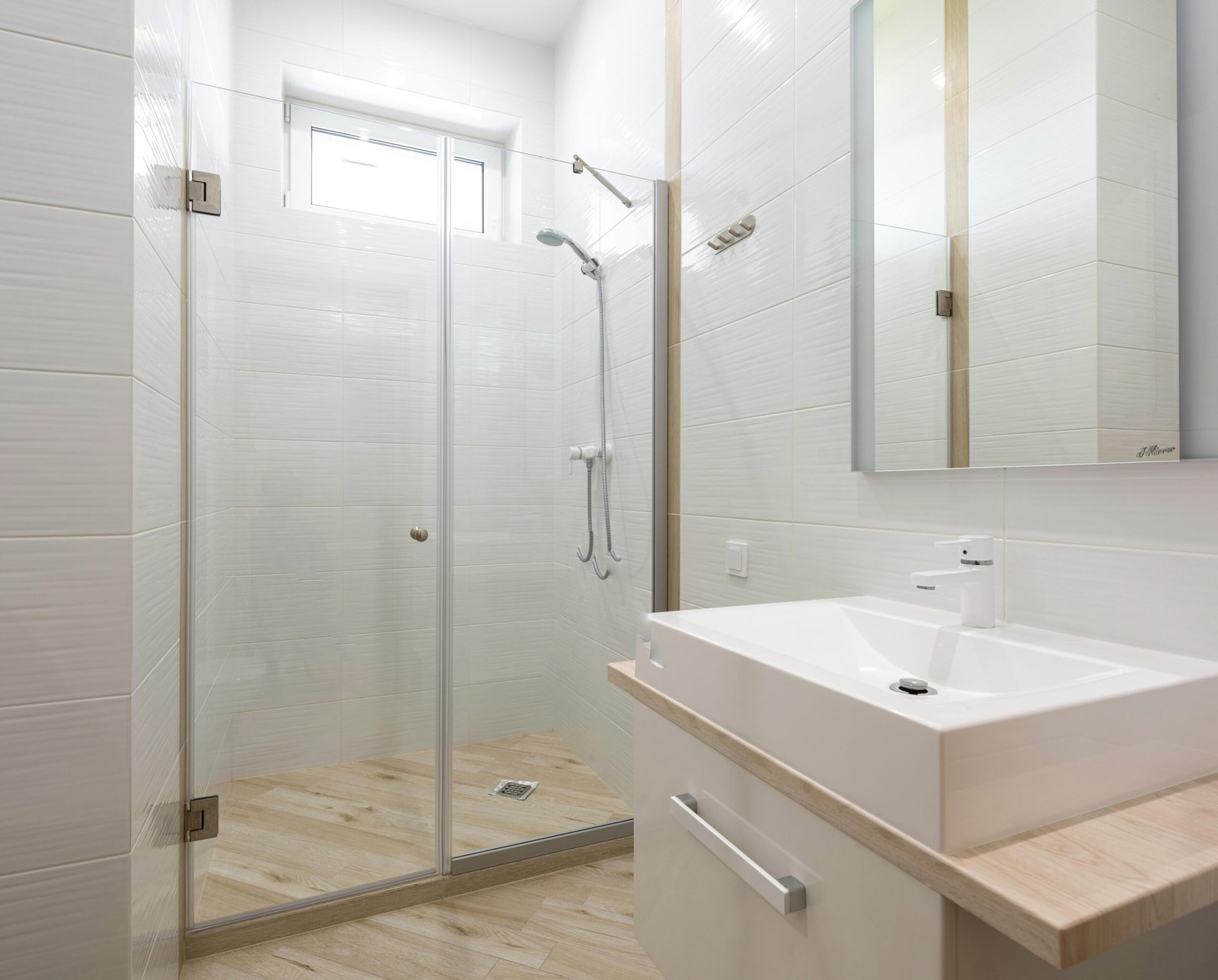
The shower pan is the base or floor of your shower. It’s slightly sloped so water flows down the drain instead of spilling onto your bathroom floor. While these pans are built to last, they can wear out or shift over time—and that’s when leaks start.
In this blog, you’ll learn:
- What a shower pan is
- 3 clear signs it’s leaking
- How to test it
- Quick fixes you can try
When to call a pro
What Is a Shower Pan?
Think of the shower pan as the “foundation” of your shower. It’s made from materials like ceramic, porcelain, plastic, or fiberglass. When installed correctly, it can last anywhere from 10 to 45 years.
But over time, it might crack, shift, or become loose—especially if the materials underneath break down. That’s when water starts seeping through, often without you noticing right away.
3 Signs Your Shower Pan Is Leaking
1. The Shower Floor Moves
Your shower floor should feel firm and secure. If it shifts when you step on it or clean it, that means something underneath isn’t holding it in place anymore. Even small movement can lead to leaks.
2. It Feels Uneven or Sinks In
If the shower pan dips, slopes oddly, or feels bouncy, that’s called deflection. This may mean the floor underneath is damaged—possibly from water leaks. It’s not only a leak risk, but a safety hazard too.
3. You Notice Cracks
Cracks in the shower pan (not just the tiles) are a clear red flag. In plastic pans, any crack usually means it’s time to replace it. With stronger materials like porcelain, a crack could still allow water to leak through and cause damage underneath.
How to Test for a Leak in Your Shower Pan?
Here’s a simple test you can do at home to check for leaks:
1. Seal the Drain
Cover the shower drain with duct tape or a rubber plug to keep water from flowing out.
2. Add Water
Fill the base of your shower with about 2 inches of water. Use tape or a marker to mark the water level.
3. Wait and Check
Leave it alone for at least 8 hours. If the water level goes down, it means the pan is leaking. Also check the ceiling below the bathroom or the floor around the shower for water stains or soft spots.
Temporary Fixes You Can Try
Before calling a plumber, there are a few quick fixes you can do to slow the leak:
1. Reapply Grout
Grout can wear down over time. If you see gaps or holes, apply a new layer of shower-safe grout. This won’t stop major leaks but can reduce minor ones.
2 . Use a Waterproof Sealer or Epoxy
You can find shower sealants or epoxy at most hardware stores. Use them to seal up cracks temporarily. Reminder: This is not a permanent fix, but it can buy you time.
3. Try a Replacement Pan Liner
Some stores sell pan liners (costing $50–$100) that fit inside your existing shower pan. They’re not perfect, but they might help contain the leak for a while.
When to Call a Professional
If the leak is getting worse, you see major cracks, or the floor feels unstable, it’s time to bring in a licensed plumber or bathroom contractor. They can remove the damaged pan, check for mold or water damage, and install a brand-new one.
Professional replacement is more expensive up front, but it saves you from future problems like:
- Mold growth
- Rotten floors
- Higher water bills
- Structural damage
Final Thoughts
A leaking shower pan might not seem like a big deal at first—but the longer you wait, the worse (and more expensive) it gets. Watch out for cracks, shifting floors, and sloping, and don’t ignore the signs. A simple fix today could save your bathroom tomorrow.