Why Landscaping Matters: Boost Your Home & Life

smallbackyard_admin
- May 27, 2025
- 8 Min Read
Why Landscaping Matters: More Than Just a Pretty Picture
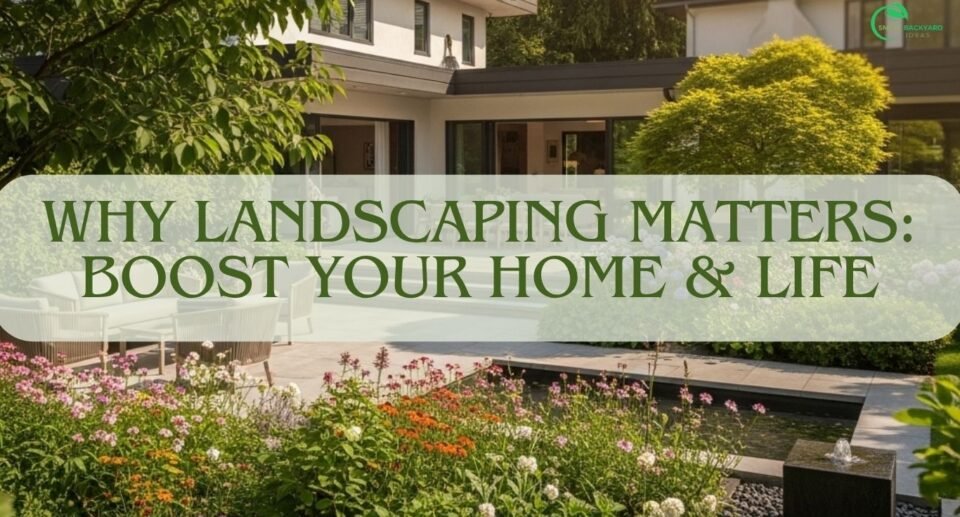
Have you ever walked past a home with a stunning garden and perfectly kept lawn and felt a sense of calm or admiration? That feeling isn’t by accident. Landscaping, simply put, is the art and science of improving the land around your home. It involves designing, planting, and maintaining your outdoor space to make it both beautiful and useful. But why landscaping is important goes far beyond just looks.
Many people think of it as an extra cost or a luxury. However, it’s actually a smart investment that brings many benefits to your home, your life, and even the environment. Let’s explore the key reasons why paying attention to your outdoor space is truly essential.
1. Boosting Your Home's Look and Value
One of the most obvious reasons why landscaping is important is its huge impact on your home’s curb appeal. “Curb appeal” is how attractive your home looks from the street. It’s the first thing visitors and potential buyers see.
- First Impressions Last: A well-landscaped yard immediately makes your home seem well-cared for, inviting, and attractive. It sets a positive tone even before someone steps inside.
- Increased Property Value: Studies consistently show that it can be good to add significant value to your home. It’s often one of the best home improvements for a return on your investment (ROI). Buyers are willing to pay more for a home with an appealing outdoor space, especially if it’s well-designed and easy to maintain.
- Faster Sales: Homes with attractive landscaping tend to sell faster than those with neglected or uninspired outdoor areas. In a competitive market, it can make your home stand out.
Think of landscaping as painting a beautiful picture around your house. It frames the property, highlights its best features, and makes it truly shine.
2. Creating Useful Outdoor Living Spaces
Beyond just looking good, landscaping helps turn your outdoor area into a functional extension of your home. This is a key reason why landscaping is important for modern living.
- Outdoor Rooms: With smart landscaping, you can create “outdoor rooms” – areas for dining, lounging, cooking, or playing. A patio with comfortable furniture, a built-in barbecue, or a fire pit can become a favorite gathering spot.
- Entertainment Hubs: It allows for spaces perfect for hosting parties, barbecues, or simply enjoying time with family and friends. Imagine a defined area for an outdoor dining table or a cozy seating nook.
- Privacy and Comfort: Strategic planting of trees, shrubs, or the addition of fences and pergolas can create privacy from neighbors or busy streets. This transforms your yard into a secluded retreat where you feel comfortable and secure.
- Recreation Areas: If you have children, it can include safe play zones. For adults, it might mean a quiet reading spot, a place for yoga, or even a small putting green.
Effective landscaping shapes your outdoor area to fit your lifestyle, making it more usable and enjoyable for everyone.
3. Benefits for the Environment
It isn’t just about human comfort; it plays a vital role in supporting our planet. This environmental aspect is a critical reason why landscaping is important for our communities and beyond.
- Improved Air Quality: Plants absorb carbon dioxide and release oxygen, helping to clean the air we breathe. Trees, especially, act as natural air filters, trapping dust and pollutants.
- Cooling Your Home: Strategically placed trees and shrubs can provide shade, significantly reducing your home’s energy costs by keeping it cooler in summer. This lessens the need for air conditioning.
- Water Management: Proper landscape design can help manage rainwater runoff. Permeable surfaces, rain gardens, and well-designed plant beds allow water to soak into the ground, reducing erosion and recharging groundwater.
- Noise Reduction: Dense plantings can act as natural sound barriers, muffling street noise and creating a more peaceful environment around your home.
- Biodiversity: It is with a variety of native plants creates habitats and food sources for local wildlife, including birds, bees, and butterflies. This supports a healthy ecosystem right in your own yard.
- Reduced Heat Island Effect: In urban areas, large expanses of concrete and asphalt create “heat islands.” Landscaping helps cool these areas by providing shade and through the natural cooling process of evapotranspiration from plants.
By making mindful choices in your landscape, you contribute positively to the environment and create a healthier microclimate around your home.
4. Boosting Your Well-being
The impact of nature on our mental and physical health is increasingly recognized. This is another profound reason why landscaping is important – it directly contributes to our well-being.
- Stress Reduction: Spending time in a green, well-designed outdoor space can lower stress levels, reduce anxiety, and improve mood. The simple act of gardening or relaxing in a beautiful yard can be incredibly therapeutic.
- Physical Activity: Maintaining a garden provides a great opportunity for light exercise, keeping you active and healthy. Even enjoying a walk around a well-landscaped property contributes to physical well-being.
- Connection to Nature: Landscaping brings nature closer to home. Observing plants grow, watching birds, or simply feeling the sun on your face in your garden can foster a deeper connection to the natural world.
- Improved Sleep: Exposure to natural light and fresh air, often found in well-landscaped areas, can help regulate sleep patterns and improve the quality of your rest.
- Enhanced Social Connection: A beautiful and functional outdoor space naturally encourages social interaction, whether it’s gathering with family, inviting friends over, or simply chatting with neighbors admiring your garden.
Your landscape isn’t just a space; it’s a tool for better health and happiness.
5. Solving Practical Problems and Improving Safety
Beyond beauty and enjoyment, it can be a highly practical tool for addressing specific property challenges. This problem-solving aspect is an often-underestimated reason why landscaping is important.
- Erosion Control: On sloped properties, proper planting (especially with deep-rooted groundcovers or shrubs) can prevent soil erosion and stabilize the land. Retaining walls can also be built to manage steep inclines.
- Drainage Solutions: Landscape can redirect rainwater away from your home’s foundation, preventing water damage. Techniques like grading, French drains, or rain gardens can effectively manage water runoff.
- Temperature Regulation: As mentioned, trees provide shade, but it can also block harsh winds in winter, helping to insulate your home and reduce heating costs.
- Noise and Glare Reduction: Hedges and dense plantings can significantly absorb noise from traffic or neighbors. Strategic tree placement can also block harsh sun glare from windows.
- Pest Management: Thoughtful plant selection can help deter unwanted pests naturally. For instance, certain plants can repel mosquitoes.
- Safety and Security: Well-lit pathways and strategically placed plantings can deter intruders by eliminating hiding spots and improving visibility, making your property safer.
Considering these practical applications shows how it goes beyond aesthetics to create a more secure, stable, and comfortable living environment.
FAQs: Understanding Landscaping's Importance
Q1: Is landscaping expensive?
A1: It can be done on any budget. While elaborate designs can be costly, many impactful improvements are quite affordable. Focusing on native plants, mulching, and strategic hardscaping can provide great results without breaking the bank.
Q2: How does landscaping really add value to my home?
A2: Good landscaping significantly increases curb appeal, which makes a home more attractive to buyers. It creates a positive first impression and suggests that the home is well-maintained overall, leading to higher selling prices and faster sales.
Q3: Can landscaping help with home energy costs?
A3: Yes! Properly placed trees can provide shade on your home in summer, reducing air conditioning needs. Evergreens can block cold winter winds, helping to insulate your home and lower heating bills.
Q4: What’s the biggest mistake people make with their landscaping?
A4: A common mistake is not having a plan. Without a proper design, planting can become disorganized, leading to wasted effort and money. Another is choosing plants that aren’t suited to the local climate or conditions, requiring constant care.
Q5: Is it better to DIY my landscaping or hire a professional?
A5: For simple projects like planting a few shrubs or mulching, DIY is great. However, for complex designs, major earthwork, or installing features like irrigation systems, hiring a professional often saves time, prevents mistakes, and ensures a higher quality, longer-lasting result.
Conclusion: A Lasting Investment in Your Home and Life
It’s clear that why landscaping is important extends far beyond simply making your property look nice. It’s a strategic investment that boosts your home’s value and curb appeal, creates functional and enjoyable outdoor living spaces, provides significant environmental benefits, and positively impacts your mental and physical well-being.
Whether you’re starting from scratch or looking to improve an existing outdoor area, remember that every effort you put into your landscape contributes to a healthier environment and a more fulfilling lifestyle. Embrace the power of landscaping – it’s an investment that truly pays off, providing beauty, function, and peace for years to come.