Essential Landscaping Design & Yard Care

smallbackyard_admin
- May 27, 2025
- 9 Min Read
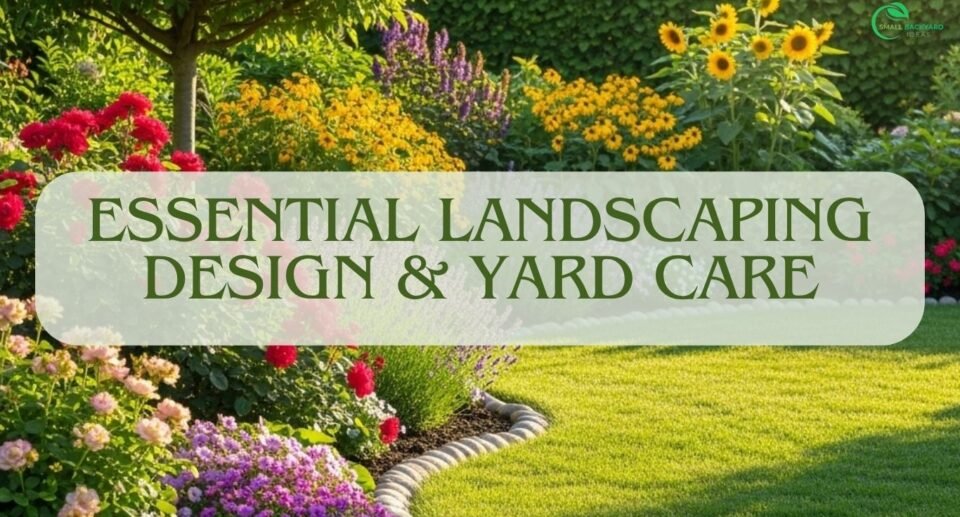
Your outdoor space is more than just dirt and grass; it’s an extension of your home, a place for relaxation, entertainment, and connection with nature. Whether you have a sprawling estate or a cozy urban plot, transforming it into a beautiful, functional oasis starts with thoughtful landscaping design and consistent yard maintenance. These two pillars work hand-in-hand to create a property that not only looks fantastic but also brings you joy and enhances your lifestyle.
Many homeowners dream of a picturesque garden or a vibrant patio area but feel overwhelmed by the process. The good news is, with the right approach, achieving your outdoor vision is entirely within reach. By focusing on smart design choices and adopting effective maintenance routines, you can cultivate a space that truly reflects your taste and thrives year-round. Let’s dive into how you can make your outdoor dreams a reality.
The Foundation: Mastering Landscaping Design
A well-executed landscaping design is the blueprint for your outdoor sanctuary. It’s about more than just planting a few flowers; it involves planning elements like pathways, seating areas, garden beds, and even water features to create a cohesive and appealing environment. Think of it as decorating an outdoor room.
Effective landscaping design considers several crucial factors:
- Functionality: How do you want to use the space? For entertaining, gardening, kids’ play, or quiet contemplation?
- Aesthetics: What style do you prefer? Modern, rustic, traditional, or something else?
- Climate & Ecology: What plants thrive in your local climate? How can you support local wildlife?
- Budget: How much are you willing to invest in the initial setup and ongoing care?
Starting with a clear design plan saves time and money in the long run. It helps you visualize the finished product, make informed choices about materials, and avoid costly mistakes. Even a simple sketch on paper can be a powerful first step towards achieving your desired outdoor aesthetic.
Consider elements like hardscaping (patios, walkways, retaining walls) which provide structure, and softscaping (plants, trees, shrubs) which add life and color. The interplay between these elements is what makes a design truly compelling.
Key Principles for Effective Landscaping Design
To create an outdoor space that truly sings, embrace these fundamental landscaping design principles:
- Scale and Proportion: Ensure elements are appropriately sized relative to each other and the overall area. A giant fountain might overwhelm a compact yard, while tiny pavers could get lost in a large expanse.
- Unity and Harmony: All parts of your design should feel connected and work together. Use repeating colors, textures, or plant types to create a sense of cohesion.
- Balance: This can be symmetrical (identical elements on either side of a central axis) or asymmetrical (different elements that still create visual equilibrium).
- Emphasis or Focal Point: Create a feature that draws the eye, like a striking plant, a piece of art, or a unique seating area.
- Rhythm and Line: Use paths, borders, and planting arrangements to guide the eye through the space and create a sense of movement.
- Simplicity: Don’t overcrowd the area. Sometimes, less is more, especially in more compact outdoor spaces. A clean, uncluttered design often feels more expansive and relaxing.
Thinking about these principles during your landscaping design phase will help you build a space that is not only beautiful but also feels balanced and inviting. Don’t be afraid to experiment with different ideas on paper before you break ground.
Mastering Yard Maintenance
Once your dream landscaping design is in place, consistent yard maintenance becomes crucial. This isn’t just about keeping things neat; it’s about nurturing your plants, protecting your investment, and ensuring your outdoor area remains a healthy, vibrant extension of your home. Regular care prevents small issues from becoming big problems, saving you time and effort in the long run.
Key aspects of effective yard maintenance include:
- Mowing: Regular mowing keeps lawns healthy and looking sharp. Adjust cutting height based on grass type and season.
- Weeding: Tackle weeds early and often to prevent them from competing with your desired plants for nutrients and water. Mulch can be a great ally here.
- Watering: Understand your plants’ needs. Overwatering can be as damaging as underwatering. Consider efficient irrigation systems.
- Pruning & Trimming: Shape shrubs and trees, remove dead or diseased branches, and encourage new growth.
- Fertilizing: Provide essential nutrients to your lawn and plants to support vigorous growth. Test your soil to know what’s needed.
- Pest & Disease Control: Monitor for signs of pests or diseases and address them promptly, preferably with organic solutions when possible.
- Seasonal Tasks: Prepare your garden for winter, clean up leaves in autumn, and get ready for spring planting.
Consistent yard maintenance doesn’t have to be a chore. Breaking it down into manageable weekly or monthly tasks makes it less daunting. Plus, spending time outdoors caring for your space can be incredibly therapeutic and rewarding.
The Art and Science of Flower Bed Edging
Among the many details that elevate an outdoor space, flower bed edging stands out as a highly effective, yet often overlooked, element. Edging creates a clean, crisp line between your garden beds and other areas like lawns, pathways, or driveways. It’s not just about aesthetics; it serves practical purposes too.
The benefits of good flower bed edging are numerous:
- Visual Definition: It provides a neat border that defines the shape of your garden beds, giving your entire yard a polished, professional look.
- Weed Control: Edging acts as a barrier, preventing grass from creeping into your flower beds and keeping mulch or soil from spilling out.
- Easier Maintenance: A clear edge makes mowing simpler, allowing you to run your mower wheels along the border without damaging plants. It also helps contain gardening materials.
- Erosion Control: Edging can help prevent soil and mulch from washing away during heavy rains or watering.
There’s a wide variety of materials you can use for flower bed edging, each with its own look and benefits:
- Plastic Edging: Affordable and flexible, good for curved beds. Can be less durable long-term.
- Metal Edging: Durable, sleek, and almost invisible once installed. Great for modern designs.
- Brick or Stone Edging: Classic, natural, and very durable. Can be dry-stacked or mortared for stability.
- Wood Edging: Natural and rustic, from treated lumber to logs or railroad ties. Can rot over time.
- Concrete Edging: Poured in place, allowing for custom shapes and great durability. Can be more permanent and less flexible for future changes.
Choosing the right flower bed edging material depends on your overall landscaping design, budget, and desired level of permanence. Proper installation is key to ensuring it lasts and performs its function effectively. A well-edged garden bed truly is the jewel in the crown of a well-maintained yard
Integrating Design and Maintenance
The best outdoor spaces are those where landscaping design and yard maintenance are intrinsically linked. A beautiful design that’s impossible to maintain will quickly deteriorate, while diligent maintenance without a solid design foundation can feel haphazard.
When planning your design, consider the ongoing maintenance. For example, if you prefer low yard maintenance, opt for hardscaping over extensive lawns, choose drought-tolerant plants, and incorporate effective flower bed edging to minimize weeding. If you love to garden, design ample garden beds and ensure easy access for tending.
Think about water use. A smart landscaping design can incorporate native plants that require less irrigation, and efficient watering systems can reduce waste. Good yard maintenance practices, like mulching, also help retain soil moisture.
Ultimately, your outdoor space should be a source of enjoyment, not a burden. By investing time in careful landscaping design upfront and committing to consistent yard maintenance, including crucial details like flower bed edging, you create an outdoor area that is both stunningly beautiful and wonderfully practical. It’s an ongoing process of creation and care, yielding a rewarding space that adds significant value and beauty to your home.
FAQs About Landscaping Design & Yard Care
Q1: How important is a professional landscaping design for a residential property?
A1: While not always strictly necessary, a professional landscaping design can save you significant time and money by providing an efficient plan, preventing costly mistakes, and ensuring a cohesive look. It’s especially helpful for complex projects or if you’re unsure where to start.
Q2: What are some beginner-friendly tips for effective yard maintenance?
A2: Start with regular tasks like mowing, weeding, and proper watering. Focus on healthy soil by adding compost. Learn about the specific needs of your plants, and don’t be afraid to start small and gradually expand your yard maintenance routine.
Q3: Can flower bed edging really impact the overall look of my garden?
A3: Absolutely! Flower bed edging creates a distinct boundary that instantly makes your garden beds look tidier and more defined. It provides a visual structure that elevates the entire aesthetic of your outdoor space, making it appear more professional and cared for.
Q4: What’s the best time of year to plan a major landscaping design project?
A4: Fall or early spring are often ideal for planning. Fall allows you to observe your existing yard through a full season and plan for dormant planting. Early spring allows you to get a head start before the peak growing season, ensuring your design is ready for summer enjoyment.
Q5: How can I make my yard maintenance more sustainable and eco-friendly?
A5: Focus on native plants that require less water and fertilizer, use organic pest control methods, compost yard waste, and collect rainwater for irrigation. Proper flower bed edging can also help retain mulch and soil, reducing runoff.
Conclusion: Cultivate Your Outdoor Dream
Transforming your outdoor space into an inviting sanctuary is an achievable goal, regardless of its current state or size. By approaching your project with a clear vision for landscaping design, committing to consistent yard maintenance, and paying attention to crucial details like flower bed edging, you unlock the full potential of your property.
These efforts not only enhance your home’s curb appeal but also create a valuable extension of your living space—a place where you can relax, entertain, and connect with nature. Embrace the journey of cultivating your outdoor dream, and enjoy the beauty and tranquility it brings to your everyday life.