Installing a home elevator adds convenience, accessibility, and a touch of luxury to your home. However, it also comes with a considerable price tag. The final cost depends on several factors, including the type of elevator, installation complexity, number of floors served, and any customization options.
This 2025 guide breaks down everything you need to know about home elevator costs, from elevator types and brand pricing to additional installation and maintenance expenses.
Home Elevator Cost by Type
Home elevator prices vary widely depending on the model. While different brands offer various features, the core mechanics are generally similar. Your choice will depend on your space, needs, and budget. Here’s what you can expect to pay based on elevator type:
Elevator Type
Cost Range
Vertical Platform Lift
$5,000–$20,000
Pneumatic Elevator
$35,000–$60,000
Hydraulic Elevator
$25,000–$50,000
Shaftless Elevator
$15,000–$25,000
Cable-Driven Elevator
$15,000–$35,000
Geared Traction Elevator
$25,000–$38,000
Gearless Traction Elevator
$29,000–$55,000
Outdoor Elevator
$2,000–$10,000
Vertical Platform Lift
A vertical platform lift is a cost-effective option that works well both indoors and outdoors. These lifts travel up to 14 feet and cost between $5,000 and $20,000. However, you may incur additional charges if structural modifications are needed.
Pneumatic Elevator
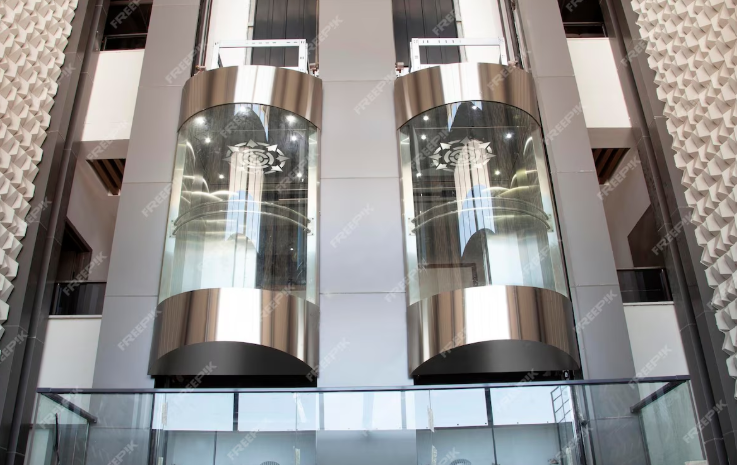
Stylish and space-saving, pneumatic elevators cost between $35,000 and $60,000. These elevators use vacuum pressure and are known for their sleek, glass-cabin design. While beautiful, they offer less privacy and are best for modern homes.
Hydraulic Elevator
Hydraulic elevators operate using a piston and pump system. Priced between $25,000 and $50,000, they are durable and do not require a separate mechanical room. They’re a great choice for multi-floor, wheelchair-accessible homes.
Shaftless Elevator
Costing between $15,000 and $25,000, shaftless elevators are compact and ideal for homes needing single-floor access. Installation is straightforward but limited in distance. For custom designs, prices can exceed $70,000.
Cable-Driven Elevator
A traditional choice, cable-driven elevators cost $15,000 to $35,000. These systems rely on a pulley and counterweight mechanism. Note that cables need replacement every 3 to 5 years, costing an additional $2,000 to $3,000.
Geared Traction Elevator
These elevators use a geared pulley system and cost between $25,000 and $38,000. They are energy-efficient but slower and require more maintenance than gearless models.
Gearless Traction Elevator
Costing $29,000 to $55,000, these elevators are quieter and faster. They don’t require a machine room, making them a popular choice for retrofitting into existing homes.
Outdoor Elevator
For a basic outdoor lift, expect to pay between $2,000 and $10,000. These elevators are built with weather-resistant materials and are ideal for moving between outdoor levels.
Elevator Installation Costs
Hiring a professional elevator installer typically costs between $700 and $15,000, depending on your home’s layout and whether modifications are needed.
Installation Task
Average Cost
Site inspection
$70–$1,500
Framing and shaft construction
$200–$4,500
Lift and wiring setup
$300–$6,000
Installing doors and sensors
$100–$2,000
Testing and adjustments
$30–$1,000
In some areas, only licensed elevator professionals can do the work, but general contractors may be allowed in others. Contractors cost about $4,000 on average and charge $300 to $500 per day.
Additional Cost Factors
Equipment & Materials: Costs range from $1,000 to $40,000 depending on model complexity, including components like the hoistway, machine room, guide rails, and car design.
Site Preparation: You may spend $500 to $15,000 preparing your home, especially if retrofitting.
Number of Floors: Add $5,000 to $15,000 for each additional floor above one.
New Construction vs. Retrofitting: It’s significantly cheaper to install during new construction than retrofit into an existing structure.
Customizations: Custom features can raise costs dramatically—from built-in phones and lighting to concealed doors and glass panels. Decorative doors can cost up to $25,000.
Maintenance & Inspections:
Building Permit: $200–$2,000
Annual Inspection: $75–$300
Annual Maintenance Contract: $200–$350
Home Elevator Costs by Brand
Brand
Average Cost
Easy Climber
$12,000–$16,000
Telecab
$28,000–$35,000
Stiltz
$20,000–$25,000
Inclinator
$25,000–$35,000
Location also plays a role. Labor in cities tends to cost more than in rural areas, while remote homes may face higher installer fees due to travel.
Home Elevator vs. Alternatives
Dumbwaiter: Costs $8,000 to $12,000. Ideal for moving items, not people.
Stair Lift: Costs $2,300 to $24,000. Less invasive than elevators but not ideal for wheelchair users. Platform lifts for wheelchairs cost $5,000 to $20,000.
DIY vs. Hiring a Pro
Installing a home elevator is not a DIY job. It involves structural modifications, heavy equipment, and adherence to local safety codes. Always hire a licensed professional.
Ways to Save on a Home Elevator
Opt for a Basic Design: Skip luxury features to save thousands.
Go Small: A compact elevator is significantly cheaper.
Fewer Floors: Only install to the floors you truly need.
Install During New Construction: It’s much cheaper than retrofitting.
DIY Minor Work: Ask your contractor about small prep or finish tasks you can do.
Does a Home Elevator Increase Property Value?
Yes, a home elevator can offer an ROI of around 50% and increase your home’s appeal—especially in upscale or multi-level properties. A basic model may not boost resale by much, but luxury elevators tailored to your home can help it stand out.