
Limestone vs. Granite Countertops: Which One Should You Choose?

smallbackyard_admin
- May 19, 2025
- 5 Min Read
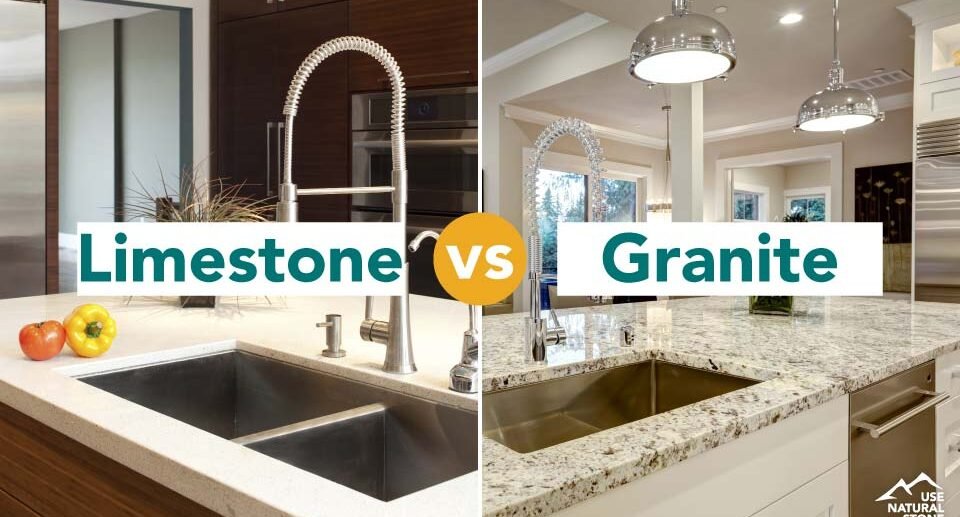
When it comes to remodeling a kitchen or bathroom, one of the most significant decisions is choosing the right material for countertops. Two popular options often debated are limestone and granite. Both are natural stones that offer durability, a wide range of colors, and unique aesthetics. However, their differences in appearance, performance, and price can heavily influence your decision. To help you decide which one is best suited for your needs, let’s dive into the key differences between limestone and granite countertops.
Limestone vs. Granite Countertops: Key Differences
Limestone is a sedimentary rock, formed primarily from fossilized shells and organic materials. It typically comes in neutral tones such as white, black, gray, and various earthy colors like tans, yellows, and reds. Limestone is known for its softer texture compared to granite, making it more susceptible to scratches. On the other hand, granite is an igneous rock formed by the cooling and solidification of molten lava. It’s much stronger, more resistant to scratches, and has a wider variety of colors and patterns, making it a popular choice for homeowners looking for durability and luxury.

What Are Limestone Countertops?
Limestone countertops are made from sedimentary rock, which gives them a unique appearance, often featuring fossilized remains embedded in the stone. The most common colors for limestone countertops are neutral shades like white, gray, and tan, but they can also feature richer tones like red, yellow, and even black. Limestone is relatively affordable compared to other natural stones, making it a great option for homeowners on a budget who still want a high-end material.
Pros of Limestone Countertops:
- Affordability: Limestone is typically cheaper than granite, with costs ranging between $10 to $70 per square foot.
- Heat Resistance: It handles heat fairly well, so you can place hot pots and pans on the surface for short periods without damage.
- Neutral Aesthetic: Limestone’s natural and neutral tones can fit well in various kitchen styles and interior designs.
Cons of Limestone Countertops:
- Softness: Limestone is softer than granite, meaning it can be more prone to scratches, chips, and general wear and tear.
- Porous Surface: It’s very porous, so it absorbs liquids easily. Without proper sealing, it can stain easily, especially from acidic substances like wine or vinegar.
- Limited Shine: Even when polished, limestone doesn’t shine as brightly as granite or marble. It tends to maintain a more matte finish.
- Maintenance: Limestone reacts poorly to acidic cleaners, so it requires regular cleaning with mild soap and water.

What Are Granite Countertops?
Granite is an igneous rock, formed from the cooling of lava, and is known for its strength and variety of colors. Granite countertops come in a range of hues, including shades of black, white, gray, red, blue, brown, and even gold. Its speckled appearance is one of its distinguishing features, adding to the uniqueness of each countertop.
Pros of Granite Countertops:
- Durability: Granite is highly durable and resistant to scratches, chips, and other forms of damage. It’s perfect for high-use areas like kitchens and bathrooms.
- Low Maintenance: When sealed properly, granite is less prone to staining and can withstand daily use without much wear.
- Variety of Colors: Granite is available in an extensive range of colors and patterns, allowing for a customized look that suits any kitchen style.
- High Resale Value: Due to its durability and luxury appearance, granite countertops can significantly increase the resale value of your home.
Cons of Granite Countertops:
- Higher Cost: Granite is generally more expensive than limestone, ranging from $10 to $140 per square foot. Customization and rare granite varieties can push the price even higher.
- Cold to the Touch: Granite absorbs heat, making it cold to the touch, which might not be ideal in cold climates.
- Annual Sealing: Although granite is more resistant to stains than limestone, it still requires annual sealing to maintain its protective barrier.

Limestone vs. Granite: A Detailed Comparison
|
Feature |
Limestone |
Granite |
|
Durability |
Strong but prone to scratches and chips |
Extremely durable, scratch-resistant |
|
Price |
$10 to $70 per square foot |
$10 to $140 per square foot |
|
Ease of Installation |
Difficult, soft material makes it fragile |
Easier to install, less prone to chipping |
|
Maintenance |
Needs regular sealing, stains easily |
Requires annual sealing, low maintenance |
|
Appearance |
Limited color options, more matte finish |
Wide variety of colors and glossy finish |
|
Heat Resistance |
Resists heat well, but not ideal for prolonged exposure |
Not as heat-resistant, can feel cold to touch |
|
Resale Value |
Moderate |
High resale value due to its luxury appeal |
|
Long-Term Value |
May require more repairs over time |
Lasts longer with proper care |
Which One Should You Choose?
Limestone is a great choice if you’re looking for affordable natural stone and don’t mind giving it a little extra care. It’s a solid choice for budget-conscious homeowners who still want a high-end, natural material with a neutral look. However, keep in mind that it requires regular sealing and may not have the same longevity as granite if not maintained properly.
Granite is ideal for those looking for durability, luxury, and a high resale value. It’s the preferred option for homeowners who want minimal maintenance and are willing to invest more upfront for a long-lasting material. Although it’s more expensive than limestone, granite can elevate the aesthetic of your kitchen or bathroom, making it a worthwhile investment in the long run.

![How Much Does It Cost to Paint Kitchen Cabinets? [2025 Data]](https://smallbackyardideas.com/wp-content/uploads/2025/05/9c4d13d3-2ca9-485e-9c46-4af69aee7765.jpg-1.jpg)
![How Much Does Kitchen Cabinet Installation Cost? [2025 Data]](https://smallbackyardideas.com/wp-content/uploads/2025/05/e781c3e1-e0c9-4ce7-8e99-85a7e66370a3.jpg-scaled.jpg)